

Student Andrea Grbić's mobility at University of Padova, Italy (2025/2026)
My name is Andrea Grbić, and I am a third-year student at the Faculty of Economics in Banja Luka, majoring in Business Informatics. During the winter semester of the 2025/26 academic year, I had the opportunity to participate in a student exchange program in Italy, at the University of Padua.
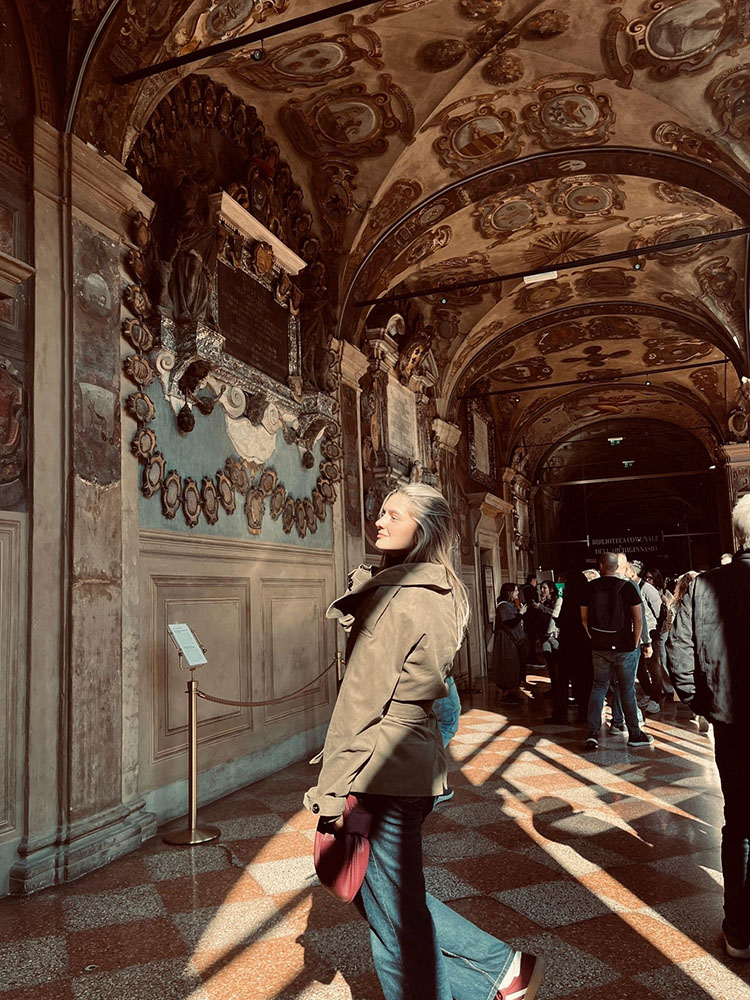
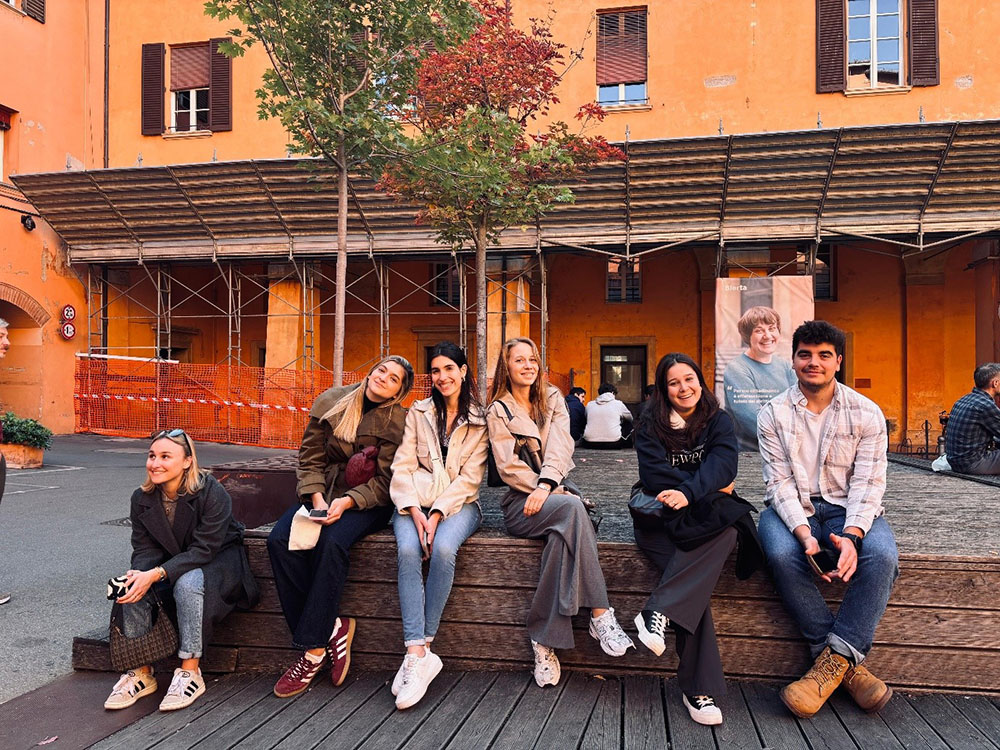
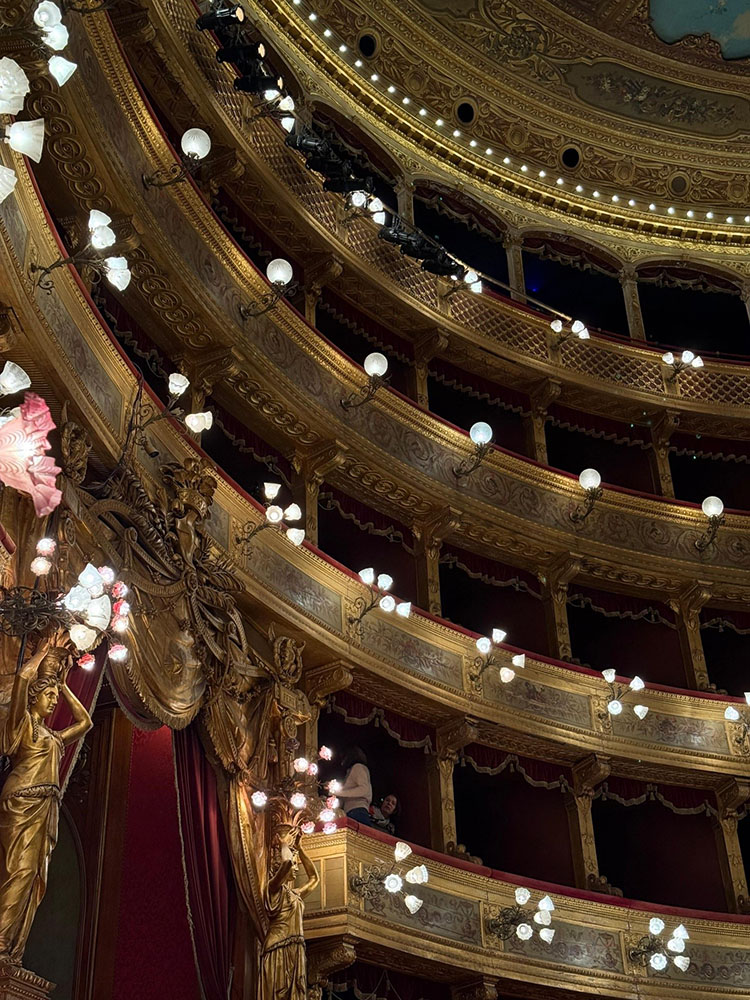
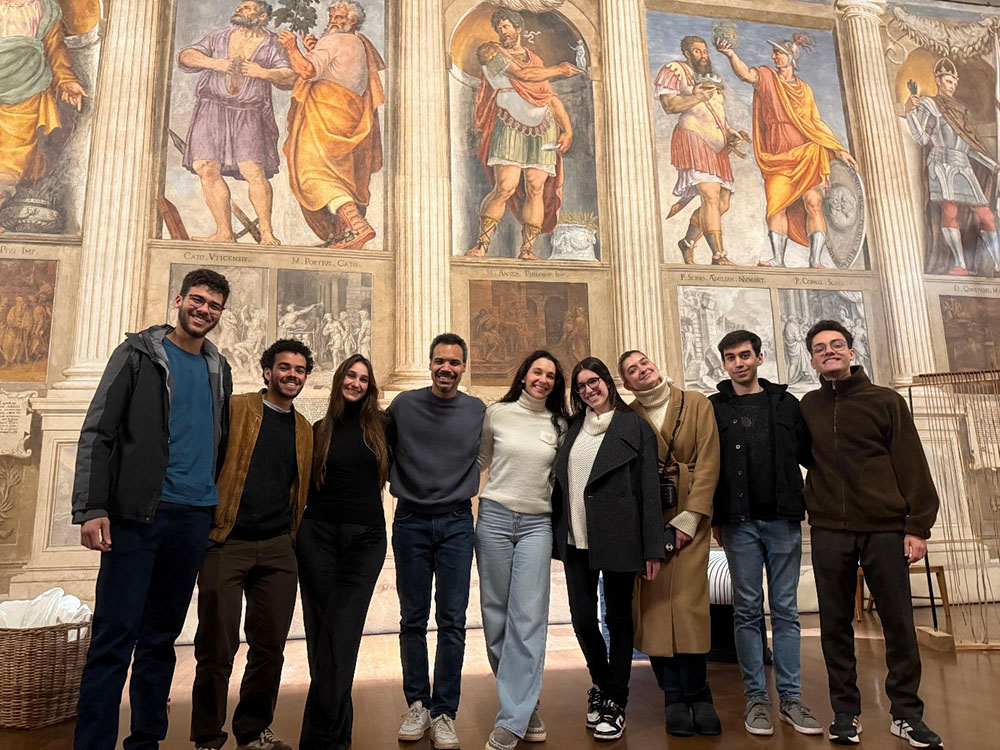
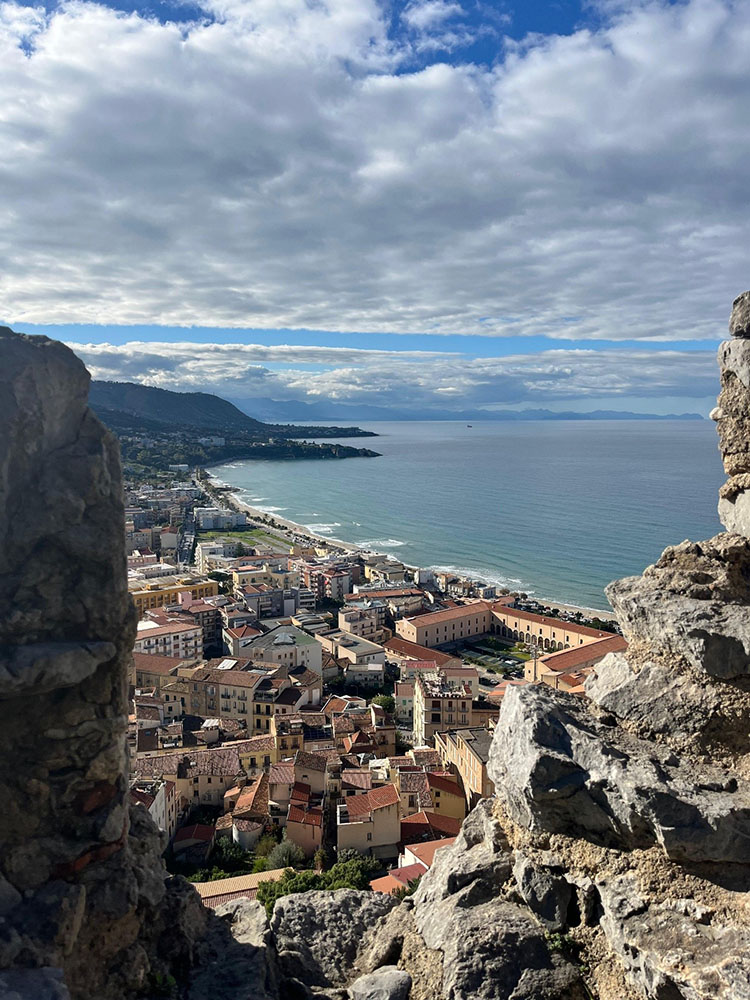
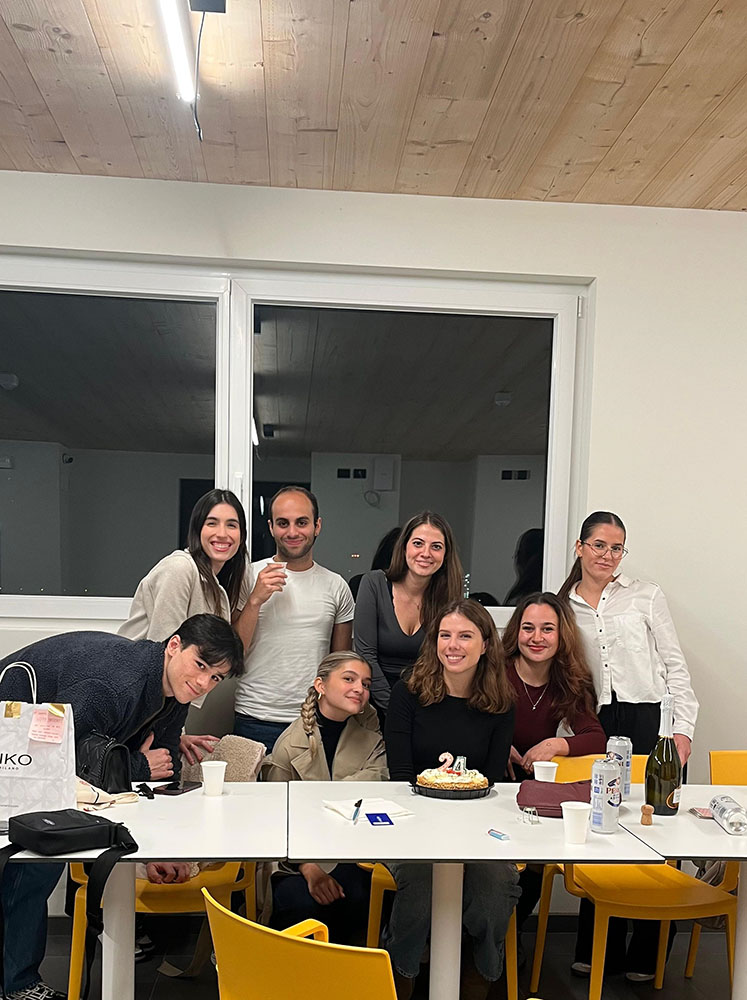
My stay in Padua gave me opportunity to meet great people from all over the world and experience different cultures, traditions, and mindsets. From these experiences, great friendships were formed that went beyond national borders, and I am sure they will last for the whole life. Each day of the exchange was filled with new experiences, challenges, and unforgettable moments. The academic aspect of the exchange met very high academic standards. The lectures were very well organized, professors highly qualified, opened, and dedicated to their students. Classes included interactive content, group projects, and practical work. Thanks to this approach, I improved my knowledge in economics, as well as my proficiency in English and Italian. In addition to studying, I had the opportunity to travel across Italy and truly experience its long history and rich culture. From Sicily, Milan, and Turin to the Dolomites, Venice, Verona, and Bologna, each place left a special impression and made this experience even richer and more memorable.
This period of academic exchange represents one of the most beautiful and valuable experiences of my life. It brought me knowledge, self-confidence, new friendships, and memories that will stay with me forever.
Published 09.02.2026 at 14:06
Student Nina Marić after Greece, for the second time on exchange: Mendel University in Brno, Czech Republic (2025/2026)
Nina Marić shared her experiences from her second international study exchange:
„My name is Nina Marić and I am a fourth-year student at the Faculty of Economics, University of Banja Luka. Within the Erasmus+ programme, I spent the first semester of the current academic year on an exchange in Brno, at Mendel University. This was my second student exchange within the Erasmus+ programme.
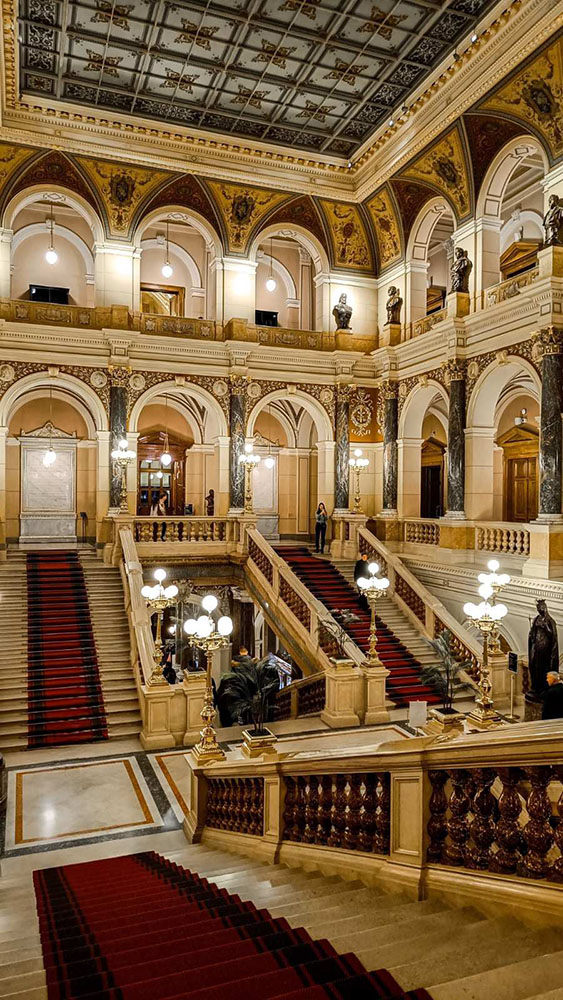
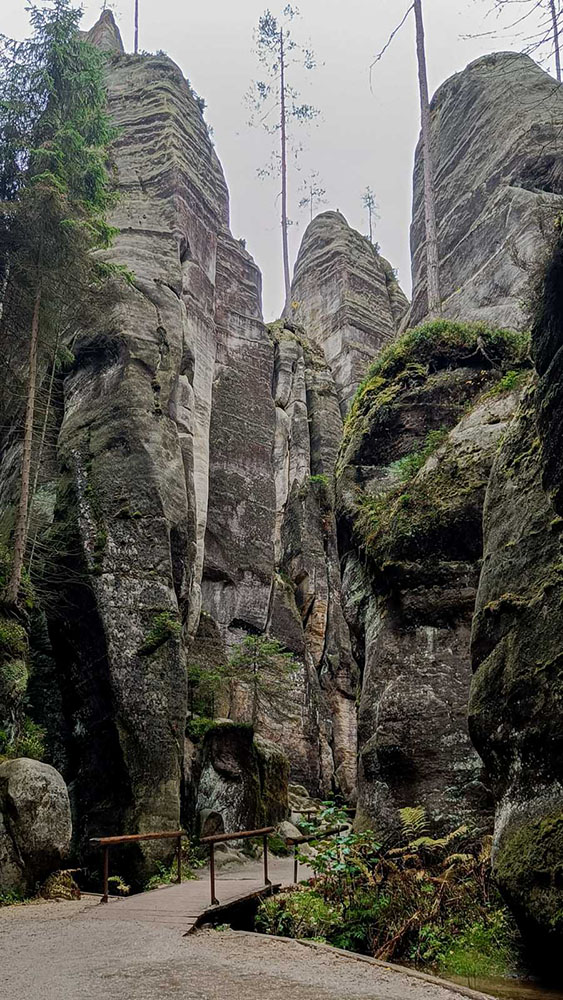
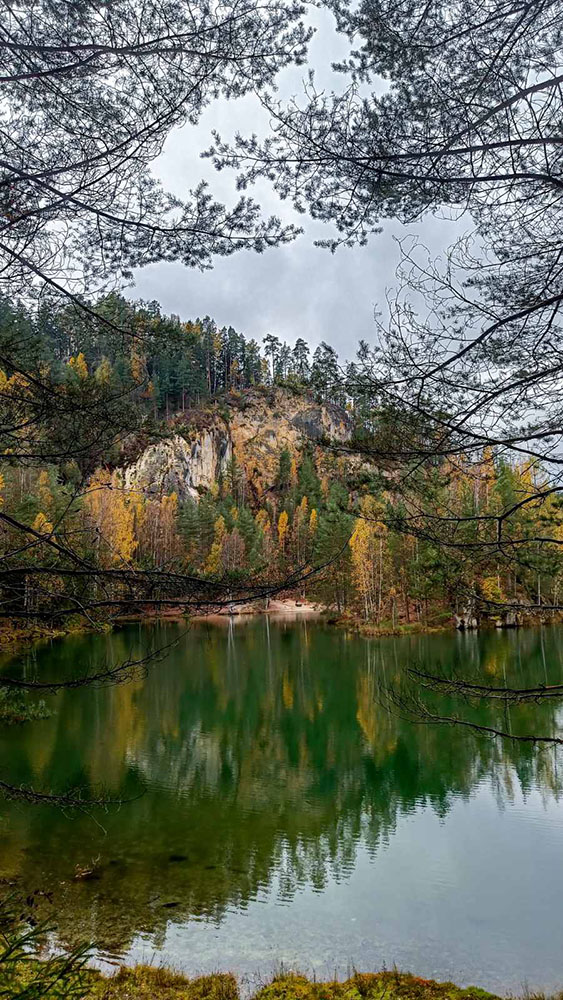
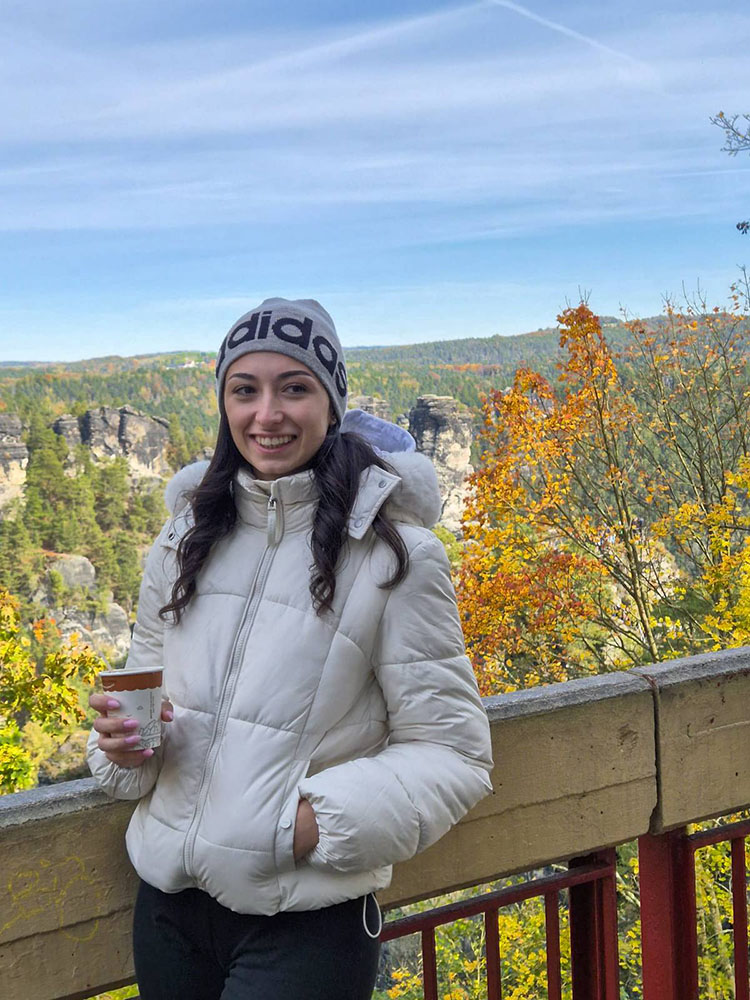
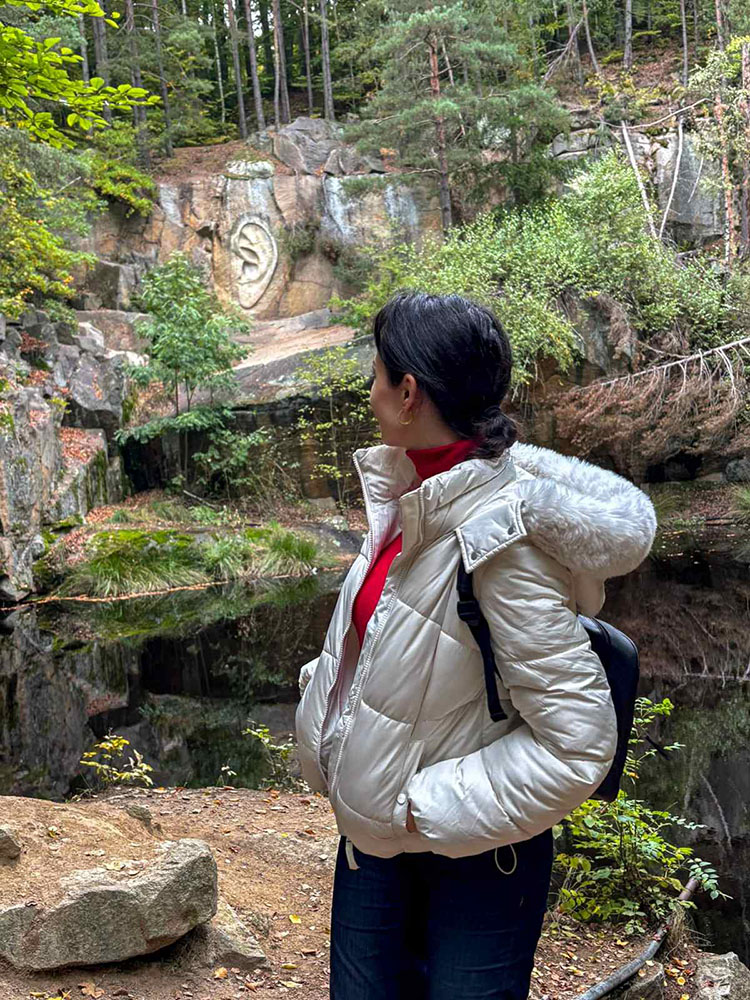
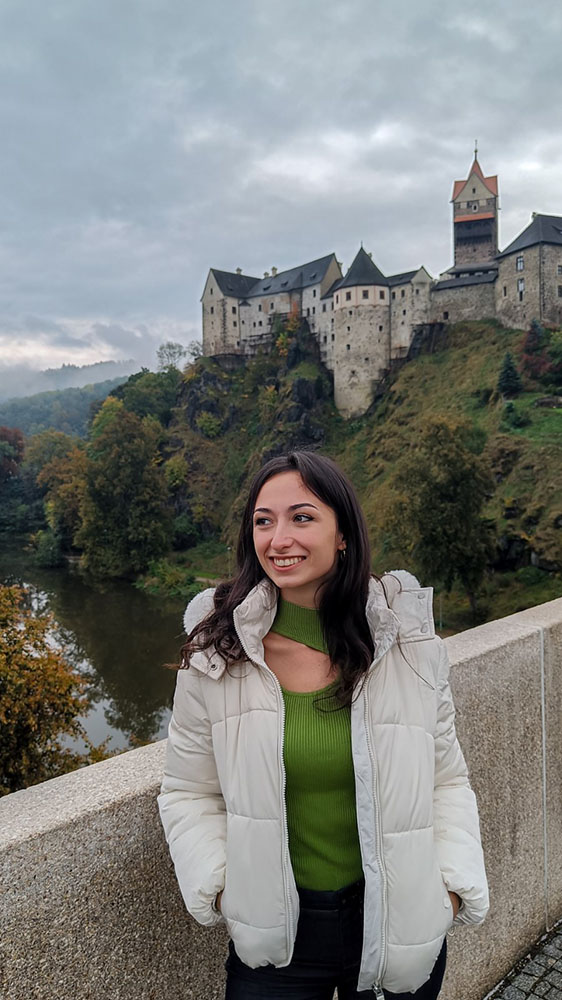
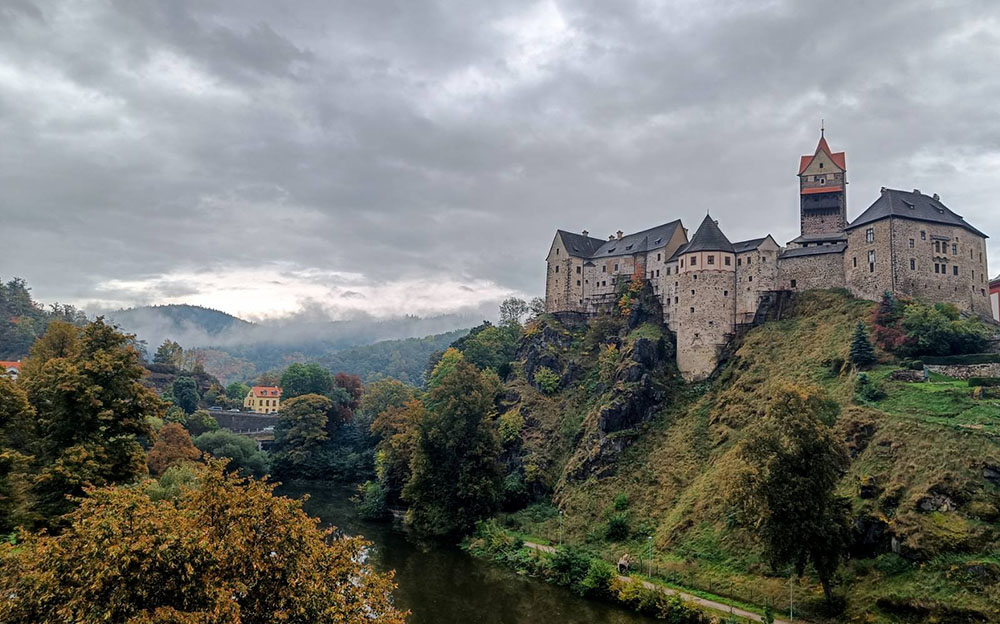
My stay in the Czech Republic represented a balanced combination of academic responsibilities and everyday life in a new environment. I used my free time to travel and explore the country, during which I visited numerous national parks, natural sites, and medieval castles that constitute an important part of its cultural heritage.
Teaching at Mendel University was organised in line with master’s studies, as courses equivalent to the fourth year of studies at my home faculty are delivered at the master’s level within the Czech system. Course work was based on projects and a team-oriented approach, with a strong focus on sustainability as a common theme across all courses. As part of certain courses, company visits were also organised, providing insight into business practice.
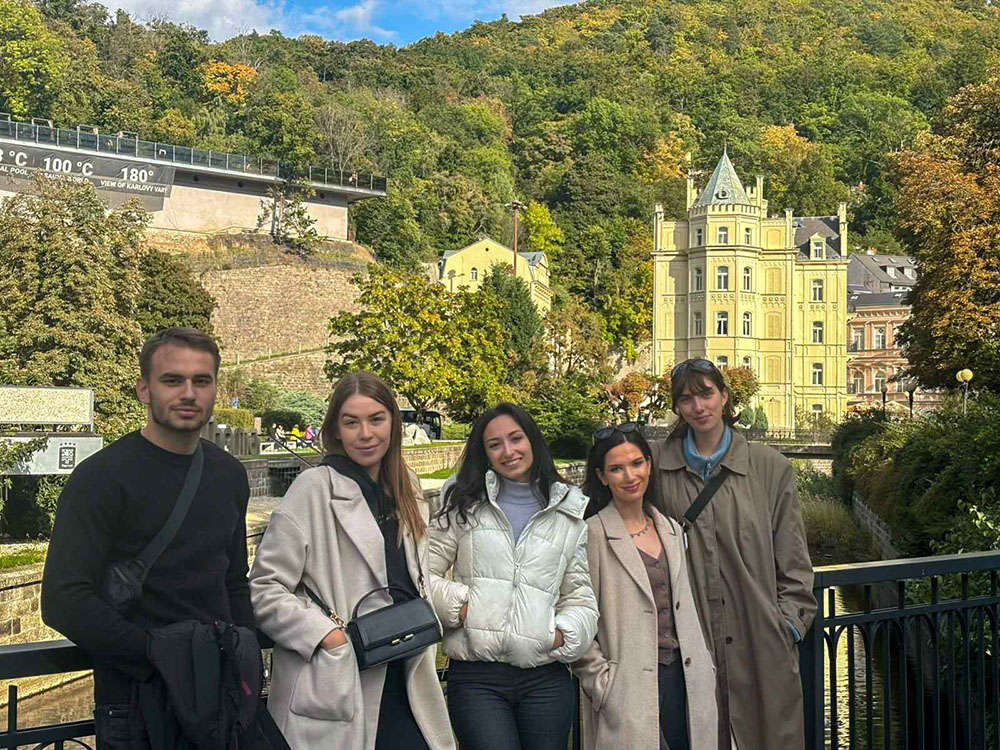
During my stay in Brno, I established contacts with local and international students through shared activities such as hiking, attending sports matches, and karaoke evenings.I consider my exchange in Brno to be an important part of my academic path, as it represented an experience of living and working in a different educational and social environment, as well as a natural continuation of my development through international student experience.“




Published 04.02.2026 at 11:48
Exchange Experience at the University of Padua, Italy – Tijana Despenić (2024/2025)
Student Tijana Despenić spent the summer semester of 2024/25 in Italy at the University of Padua. Here are her exchange experiences:
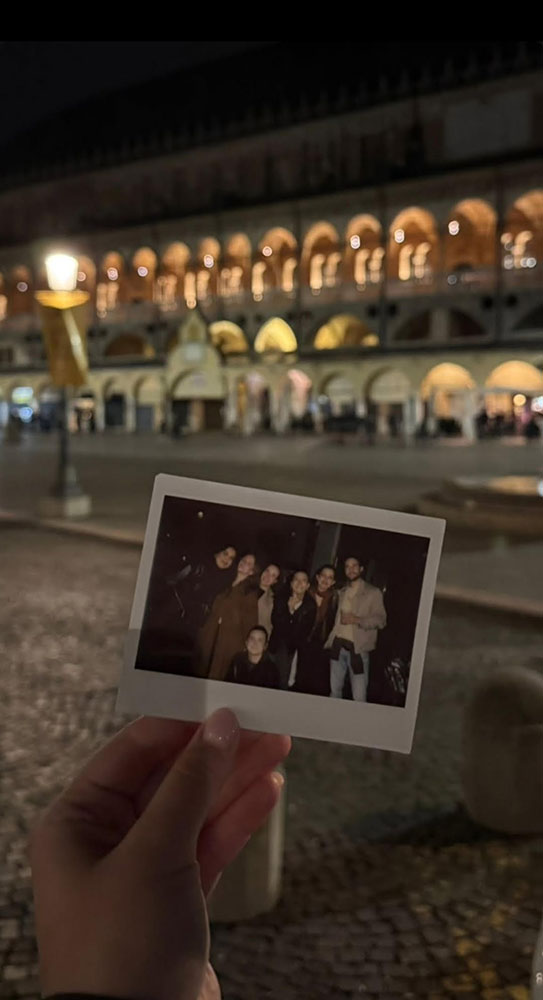
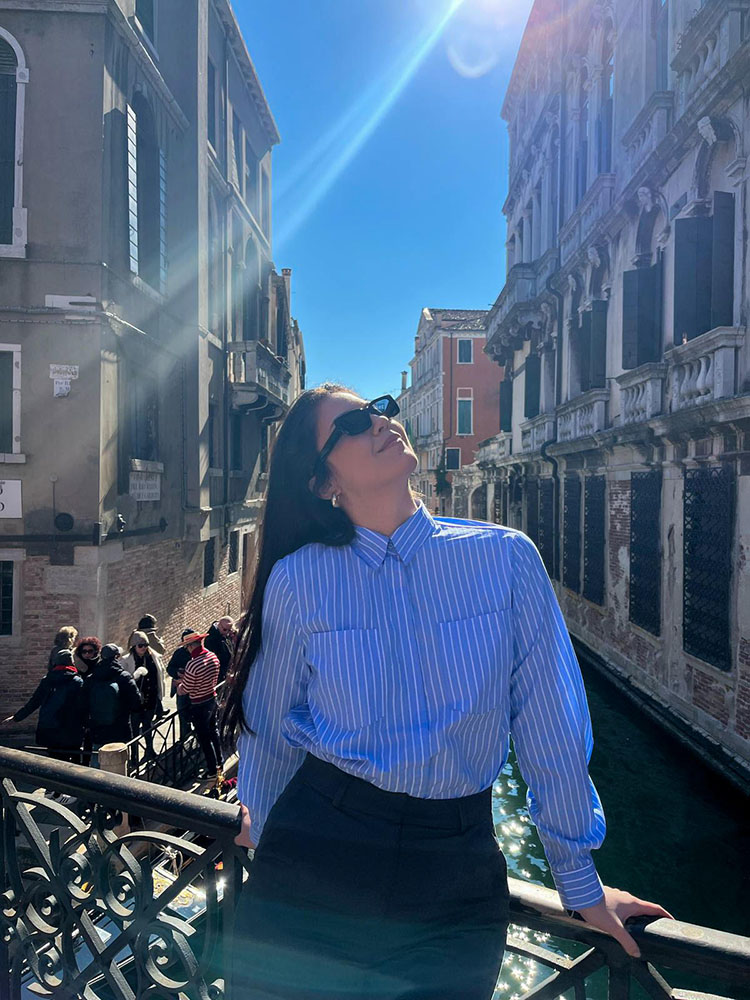
"During the summer semester of the 2024/2025 academic year, I had the opportunity to spend a semester at the University of Padua in Italy through the Erasmus+ program.
This experience provided me with an exceptional opportunity to broaden my academic knowledge, improve my communication skills in English and Italian, and meet students from all over Europe. The classes were very well organized, and the professors were approachable and encouraging, which greatly contributed to my academic and personal growth.
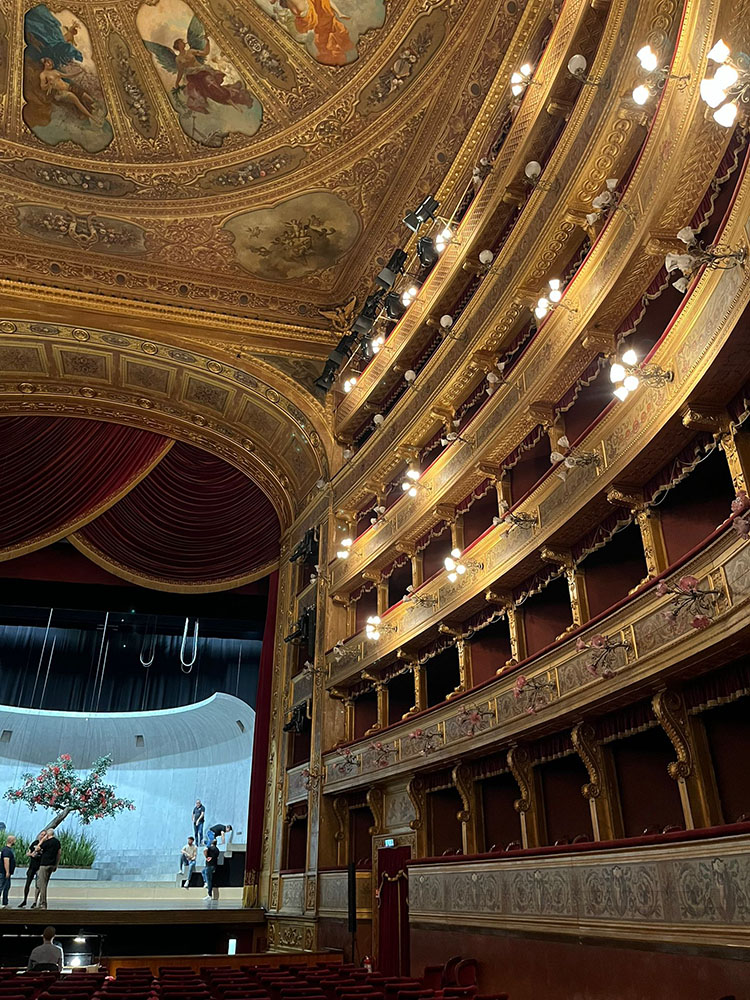
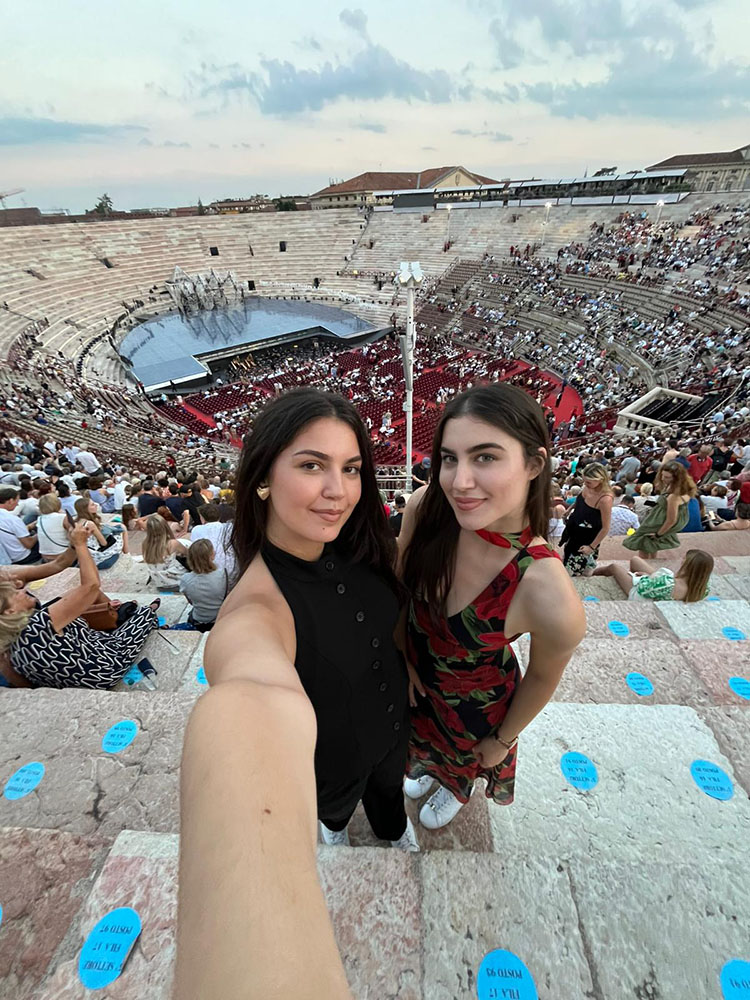
In addition to studying, the exchange allowed me to experience Italian culture, gastronomy, and lifestyle. Thanks to the Erasmus+ scholarship, I was also able to travel and explore almost the entire country. I made friendships that I am sure will last for a long time and that made my stay in Padua truly unforgettable.
The Erasmus+ experience helped me become more independent, open-minded, and motivated for further academic and personal development."
Published 27.10.2025 at 15:56
Exchange Experience at the University of Padua, Italy – Maja Vuković (2024/2025)
„My name is Maja Vuković, and I am a fourth-year student at the Faculty of Economics, University of Banja Luka, majoring in Economics and Business Management. I spent the summer semester of my third year of studies at the University of Padua, thanks to the Erasmus+ program.
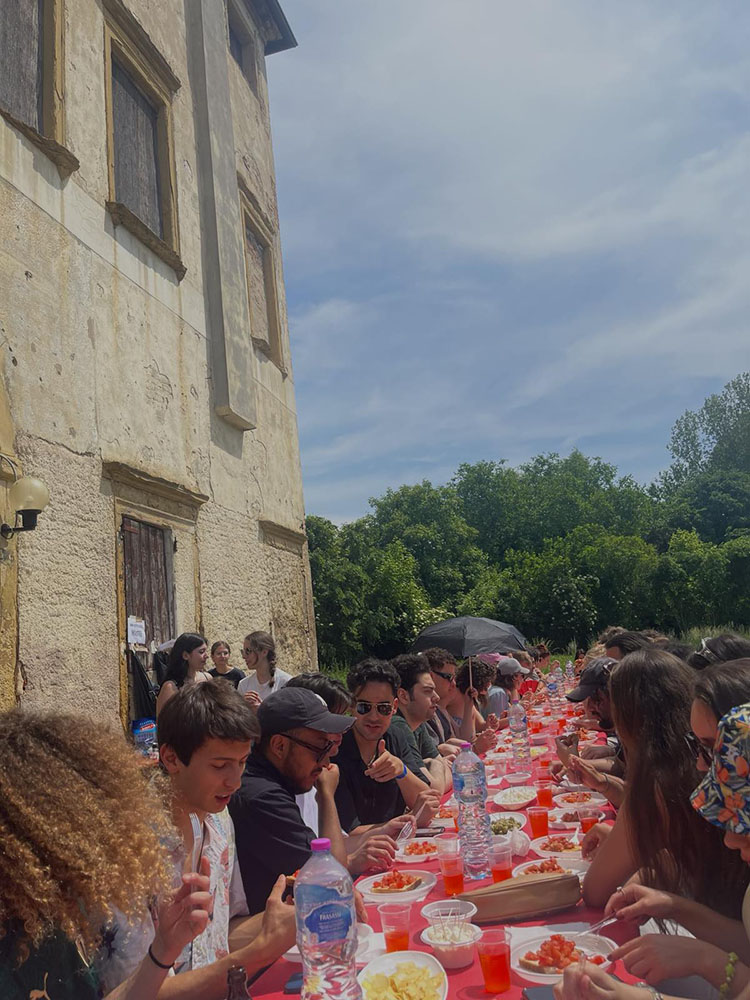
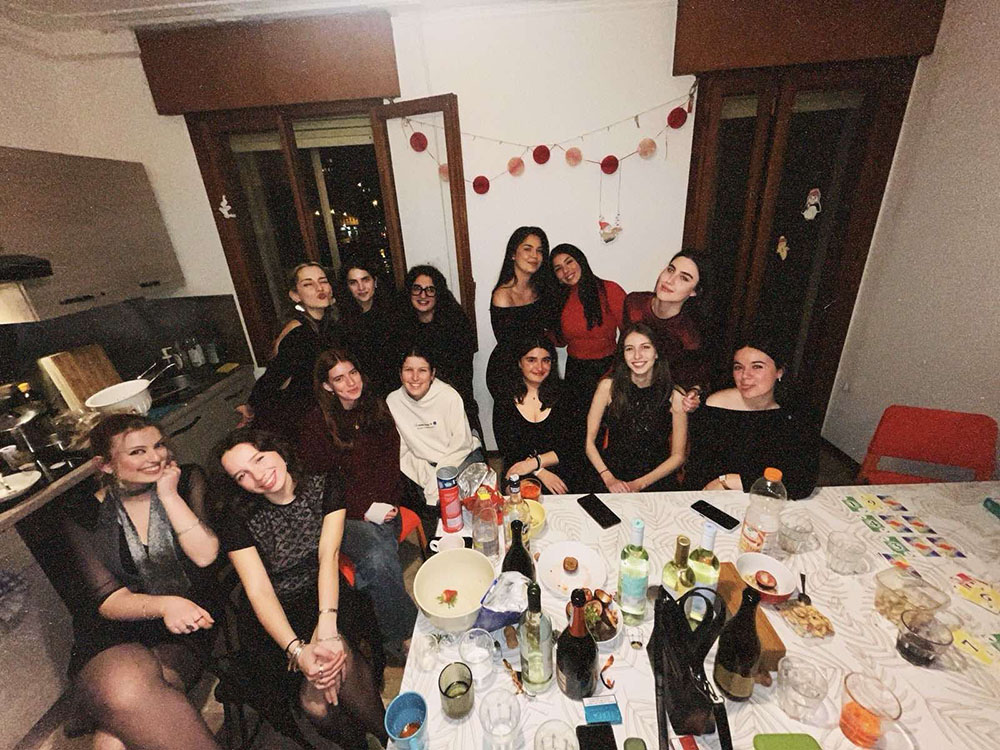
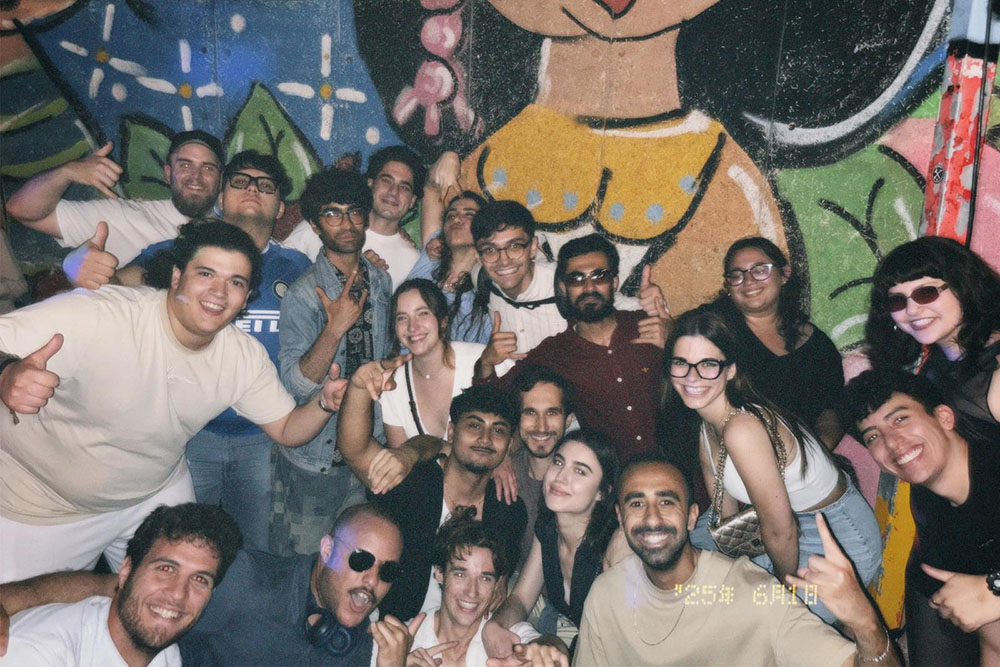
I had the opportunity to live in Italy, experience everyday life there, and make friends with people from all over the world — friendships that still last today. This diversity of cultures and experiences truly changed the way I think and broadened my horizons. Padua is a city that truly lives through its students — full of energy, events, and cafés bustling with young people from all corners of the world. Student life is vibrant and dynamic, making every day exciting and inspiring.
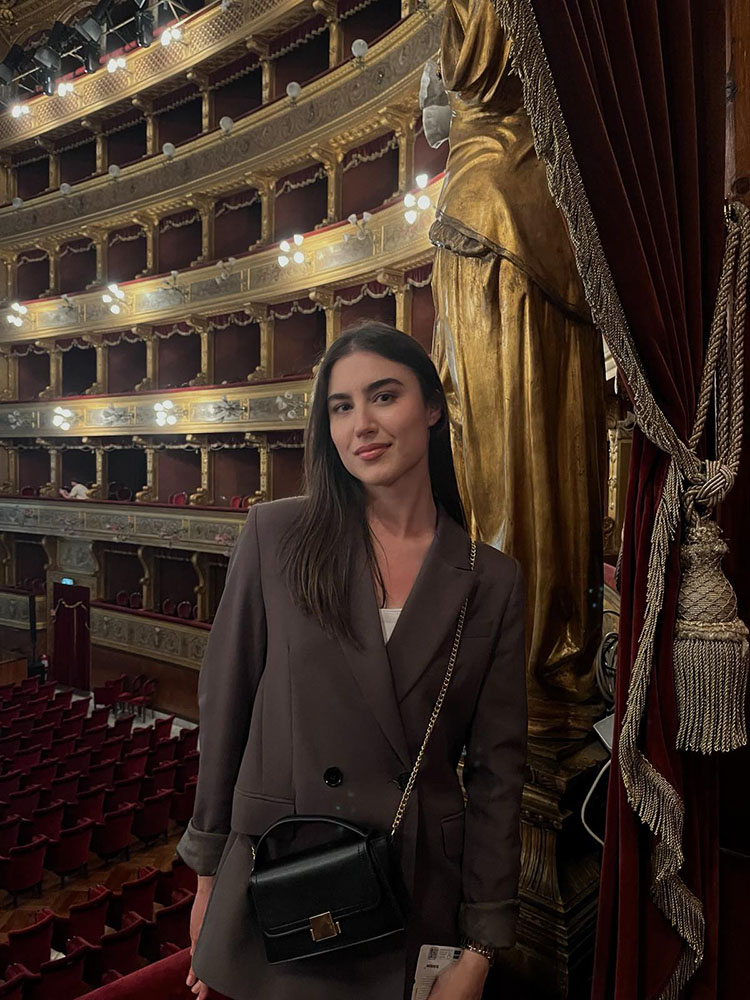
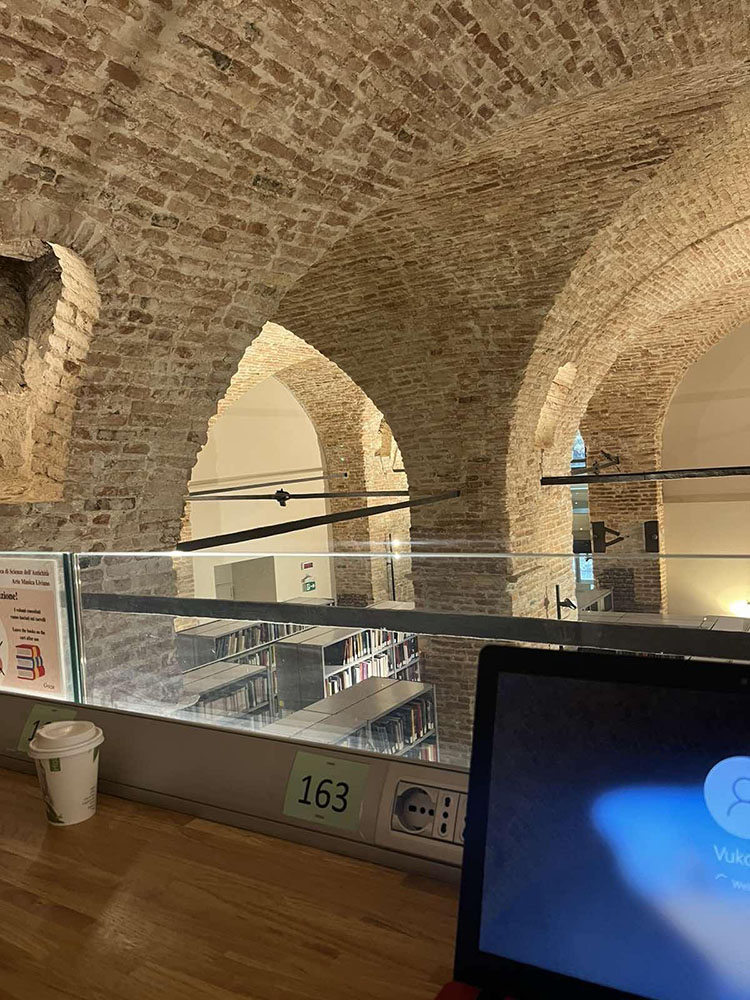
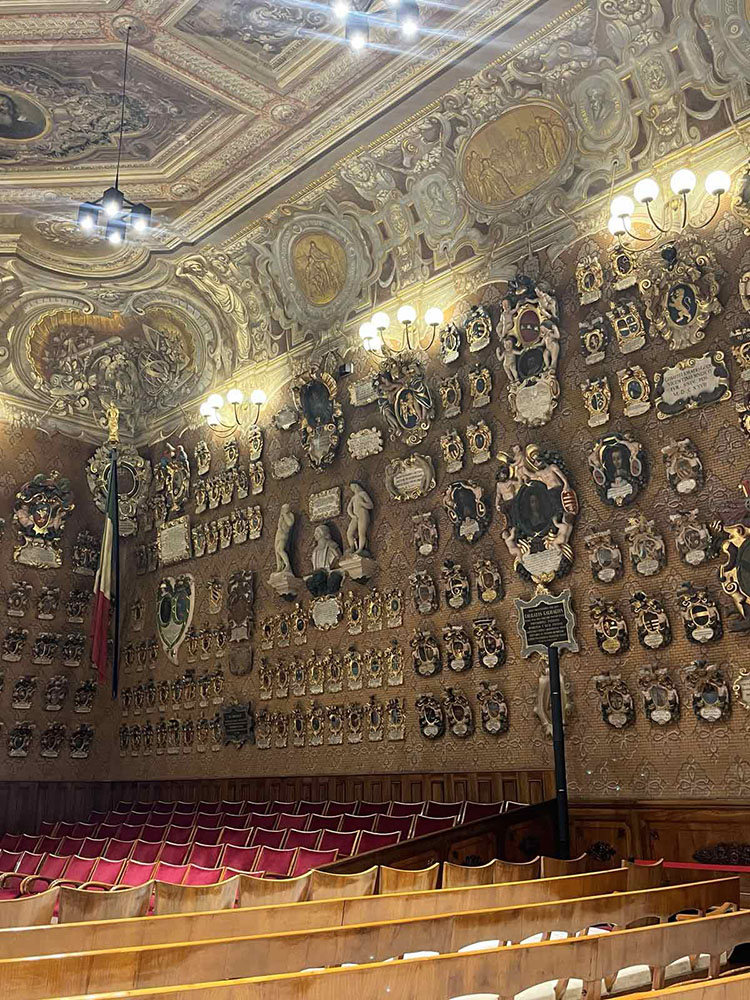
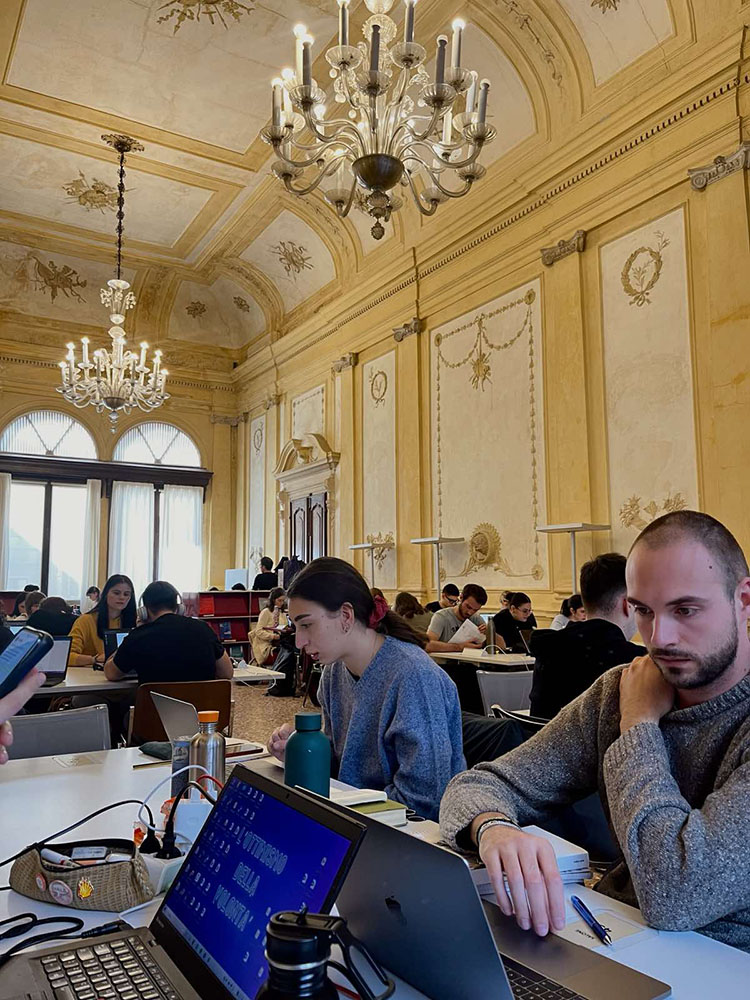
The University of Padua, the second oldest university in Europe, left a strong impression on me. I often felt as if I were attending lectures in a museum — the walls, amphitheaters, and overall atmosphere radiate history and knowledge. The awareness that I was sitting in the same rooms where great minds like Galileo once studied was a truly special privilege.
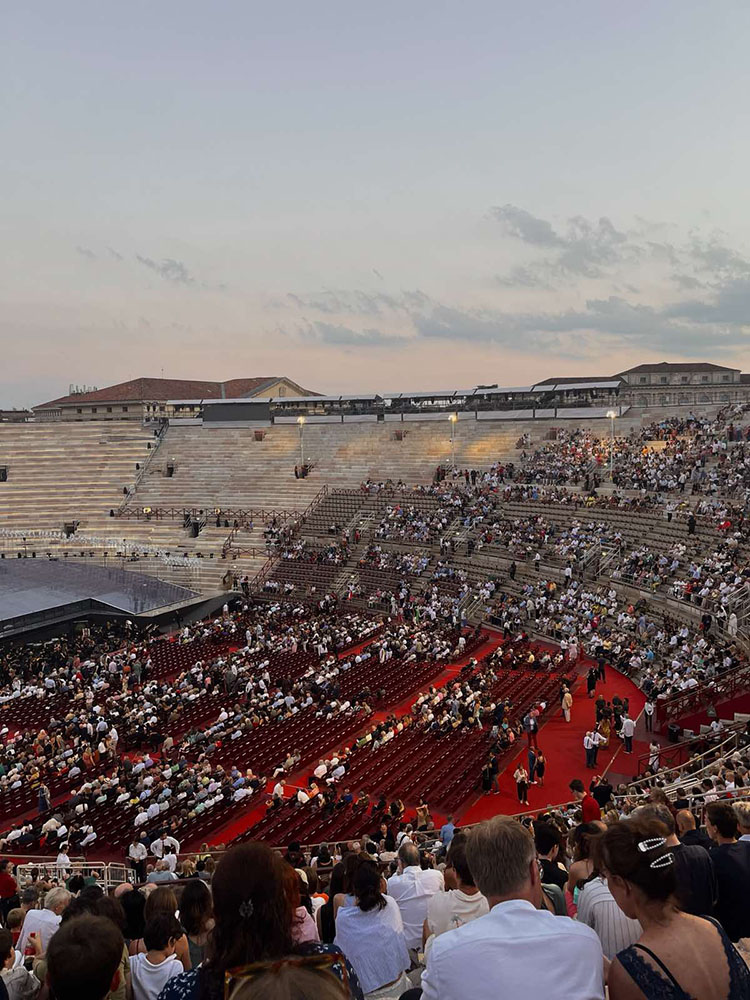
In addition to studying, Erasmus+ gave me the opportunity to travel and explore many places in Italy, such as Verona, Venice, Bologna, Palermo, Milan, and Lake Garda.
Erasmus+ showed me that learning can be so much more than books — it is also about traveling, meeting new people, discovering new cultures, and gaining new perspectives on the world that shape who you are.“
Published 27.10.2025 at 15:51
Exchange Experience at the University of Granada, Spain – Sanja Dujaković (2024/2025)
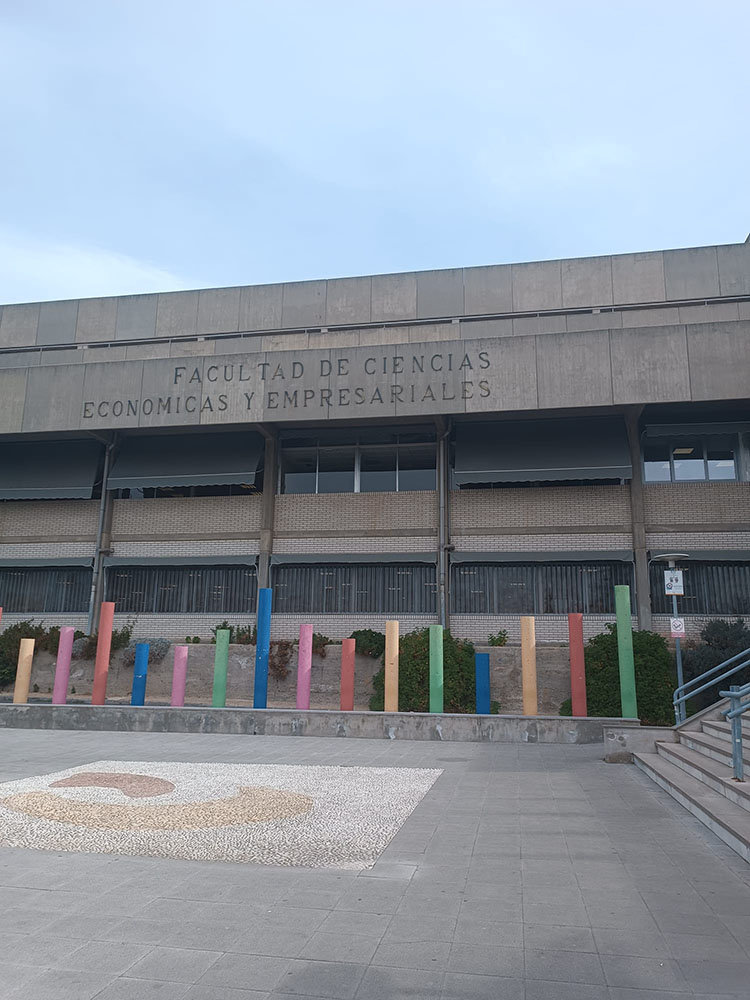
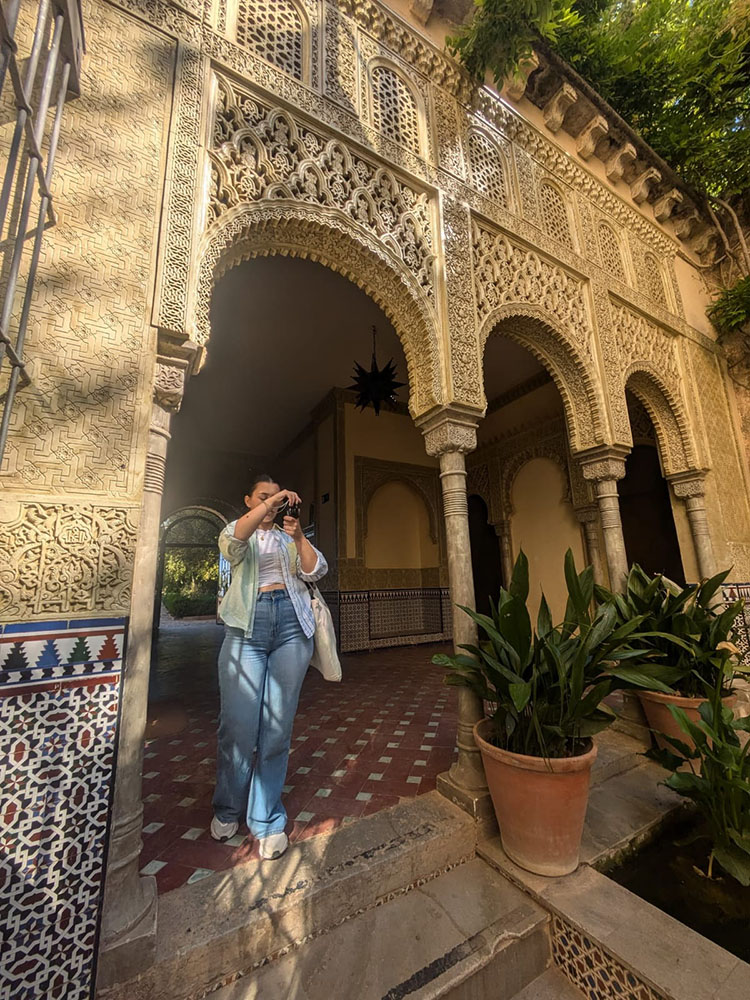
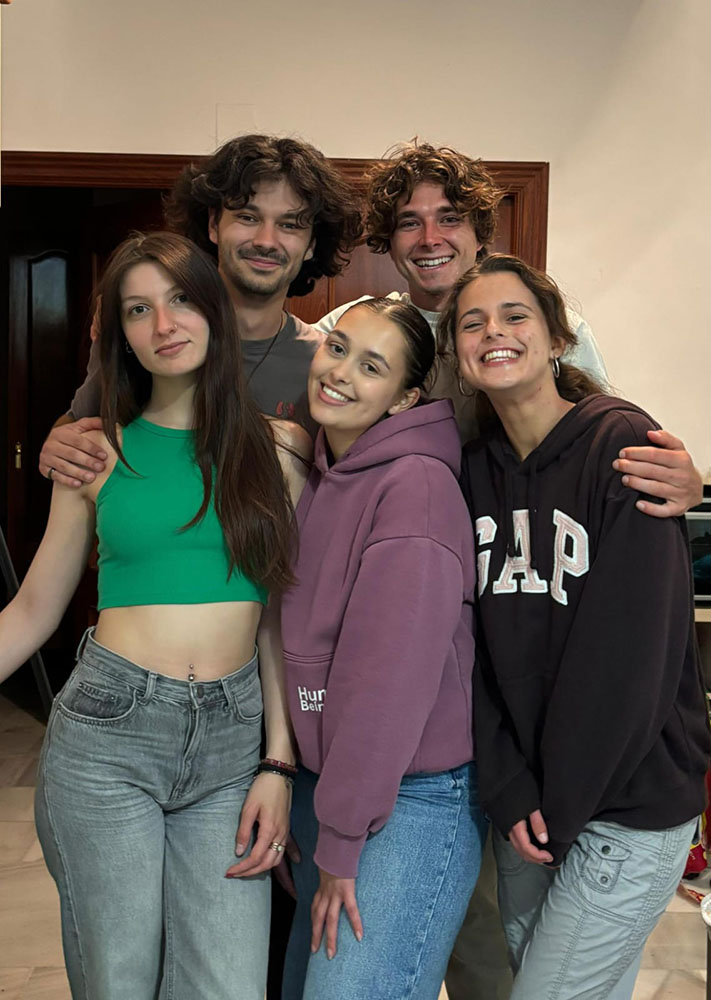
"My name is Sanja Dujaković, and I am a fourth-year student at the Faculty of Economics in Banja Luka. During the previous semester, I participated in the Erasmus+ student exchange program, through which I had the opportunity to visit Granada, Spain. Even before enrolling at the Faculty, my wish was to take part in this program and, through it, to visit Spain. Before going on the exchange, I expected to improve my language skills, gain a better understanding of Spanish culture, and I also hoped to make new friendships. Although I was very excited, I also had some questions and uncertainties about what my life in a new environment would look like.
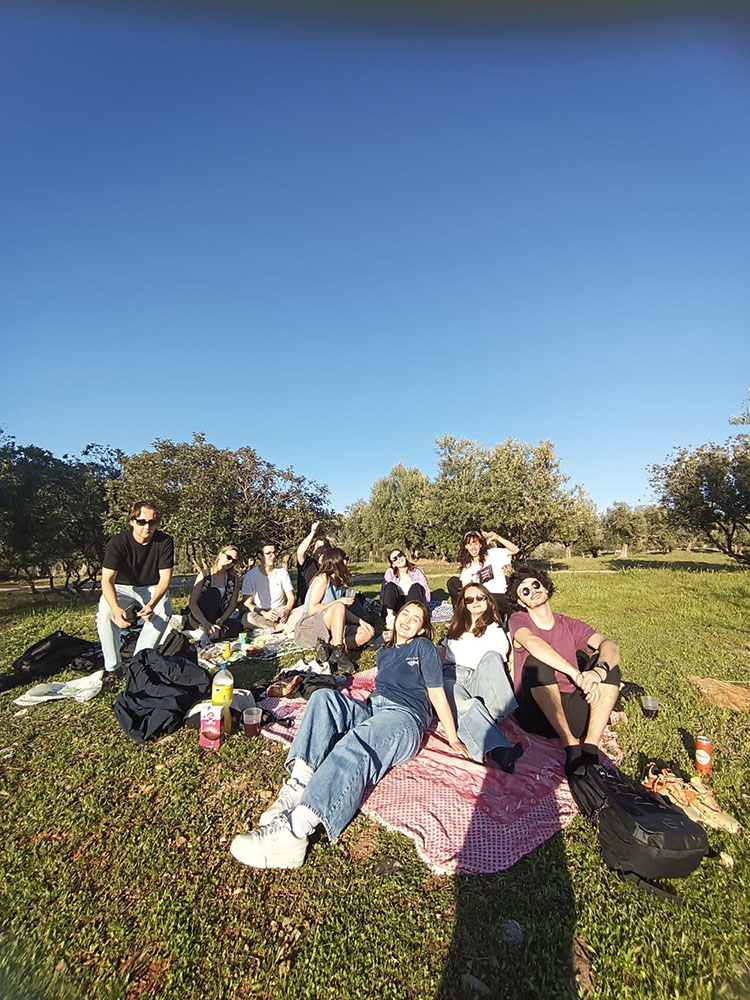
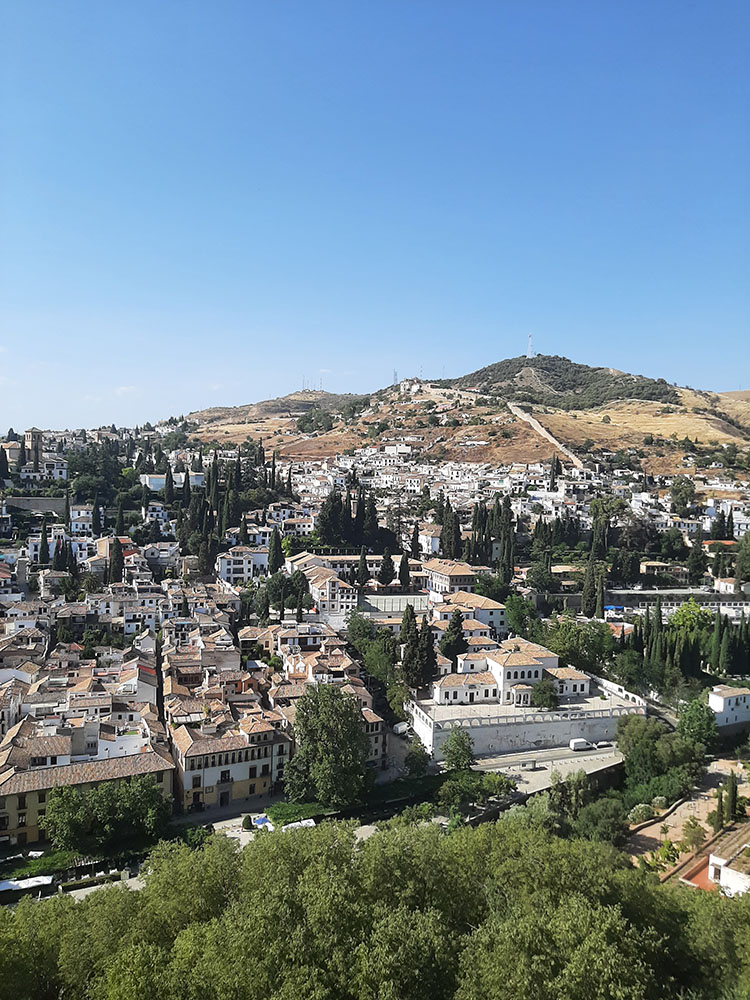
Granada, like many other cities in Spain, is famous for its numerous viewpoints from which you can admire the city from different perspectives. My fondest memories are tied to these places, where we would always gather, socialize, and enjoy the beautiful views. The lectures were interactive, and the semester was filled with various presentations and projects related to the courses. The Faculty and the International Office were always available and ready to help whenever I faced any difficulties.
I will always fondly remember the Spanish people, who are very patient and open to conversation, even when we speak different languages. If you try to communicate in Spanish, no matter how well or poorly you speak it, they will support you and be happy that you are making the effort. Also, the tapas culture — which has survived only in some parts of Spain — is still alive in Granada. With every drink you order, you receive a small complimentary dish. This makes every gathering with family or Spanish friends a true joy and pleasure.
The exchange experience helped me in many aspects of my life. For the first time, I experienced living among people from different backgrounds, with diverse habits and lifestyles. I also learned a lot about myself, and all these discoveries continue to influence my personal growth even after the exchange. To other Erasmus students, I would advise making the most of this opportunity — in the way that suits them best. In addition to meeting many new people, I would also encourage future students to engage more deeply with the local culture, meet local residents who can show them the city and country from a different perspective, and give this experience a richer and more meaningful dimension — as it did for me."
Published 27.10.2025 at 15:38
Business Informatics Students Achieved Remarkable Success at Thomas More Summer School 2025
At the beginning of September 2025 (01–05.09.2025) four students of the study program Business Informatics of the Faculty of Economics, University of Banja Luka, participated in the Thomas More Summer School in Antwerp, Belgium. The participants were: Sanja Dujaković and Darija Dlakić (third year), and Nikola Petković and Pavle Trbić (second year). In addition to the five-day stay in Belgium, the program also included two online sessions – one in the week before, and the other in the week after the mobility – so that the overall duration of the experience covered almost two weeks.
The theme of the summer school was “Lowering Barriers for Minority Groups in Retail”. The program combined lectures, interactive workshops and work on practical examples, and the professors led the students through the learning process in an interesting and engaging way. A special segment consisted of interactive activities and so-called energize tasks, which contributed to creating a friendly atmosphere and to the mutual connection of participants from different countries.
In addition to the academic part, city tours, visits to restaurants and cultural landmarks were organized, and the students also had enough free time to independently explore Antwerp – the regional capital and university center, known also as the largest port of Belgium. The city, its architecture, museums and rich gastronomic offer left a strong impression, and particularly significant were the evening gatherings and new friendships, among which the close cooperation with a group of students from Spain stands out.
One of the special moments was when the team in which the student Sanja Dujaković participated won first place for the most innovative project solution. This success represents an additional confirmation of the quality of the knowledge and skills of the students of the study program Business Informatics and of the Faculty of Economics, University of Banja Luka.
All travel, accommodation and food expenses were covered by the organizers through the Erasmus+ program and the cooperation that Thomas More University achieves with the Faculty of Economics, University of Banja Luka. Our study program was the only one delegated for this year’s participation, so all four places belonged precisely to the students of Business Informatics.
This experience showed the importance of international exchange and mobility programs, because they provide students with the opportunity to gain new knowledge, develop skills, get to know different cultures and build a network of contacts with colleagues from all over Europe. Thomas More Summer School 2025 will be remembered not only for its academic quality, but also for the friendships and memories that will last a long time.


Published 06.10.2025 at 17:27
Erasmus+ Exchange at Masaryk University in Brno, Czech Republic Tamara Trivešković, Jovana Bajić & Mihaela Crnadak – 3rd-year students, Faculty of Economics
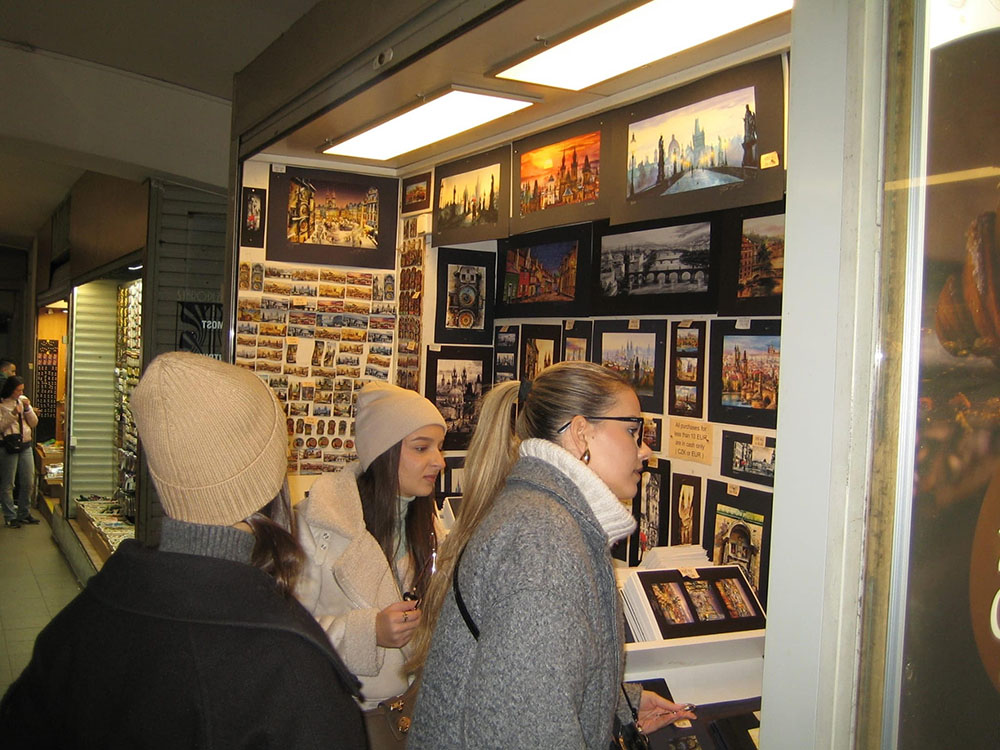
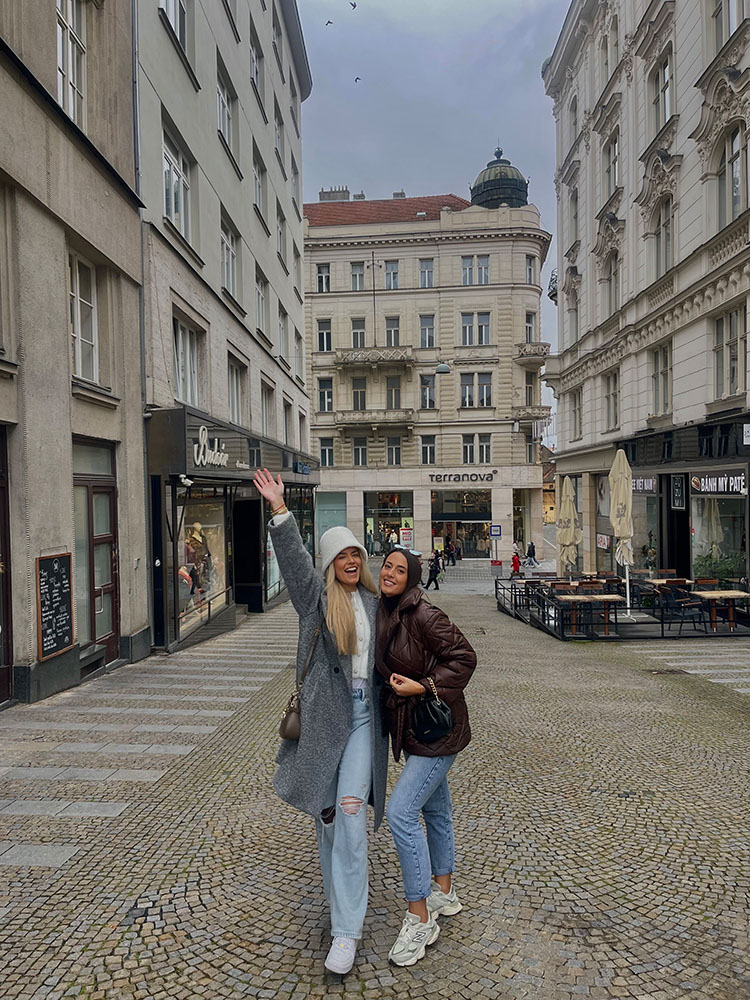
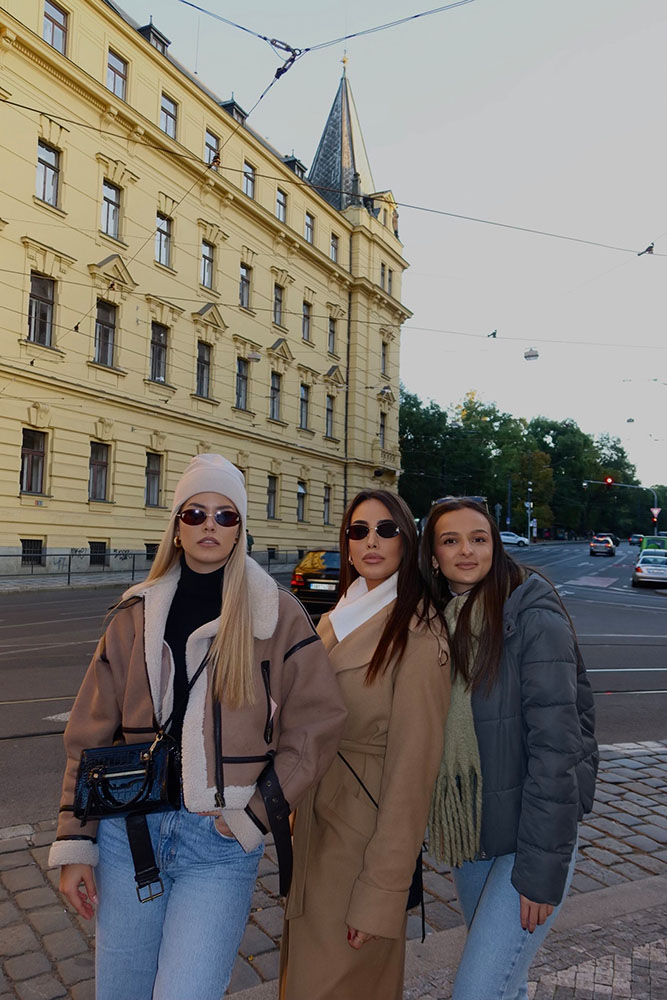
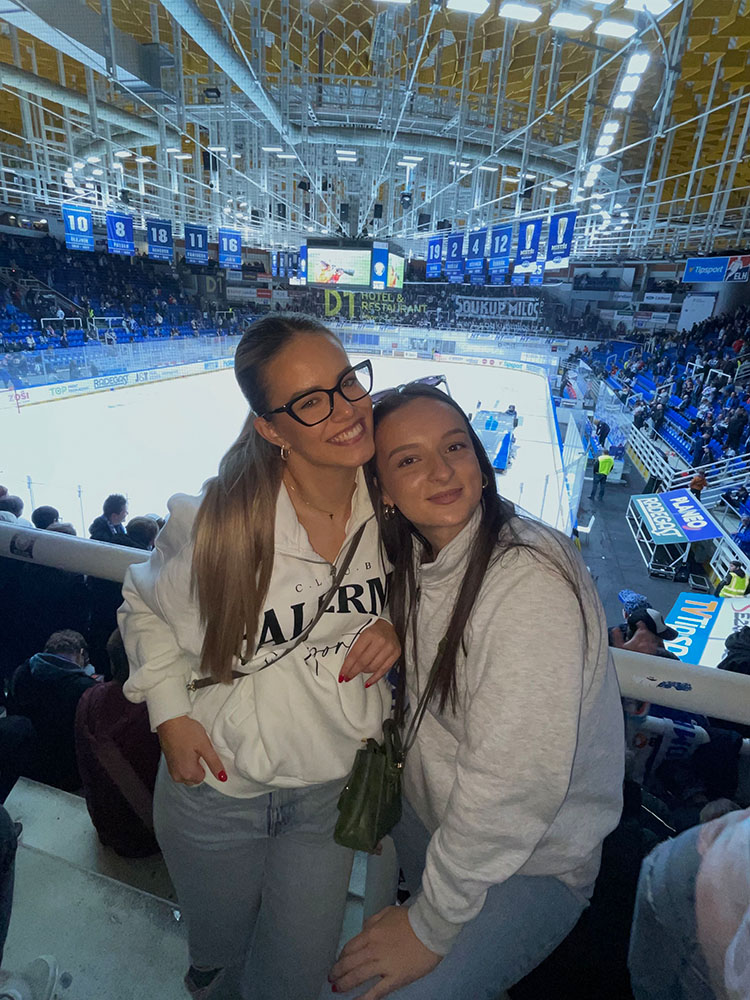
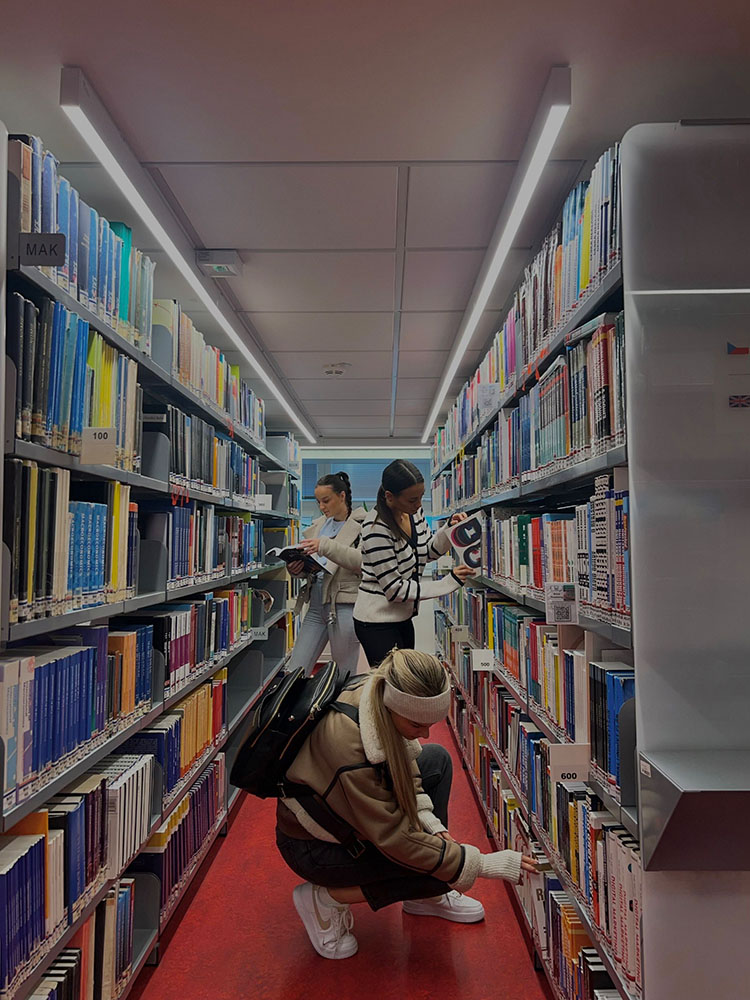
Third-year students of the Faculty of Economics — Tamara Trivešković, Jovana Bajić, and Mihaela Crnadak — spent the winter semester of the 2024/2025 academic year on Erasmus+ exchange at Masaryk University in Brno, Czech Republic.
Brno is a vibrant blend of cultural richness, affordable living, and proximity to other European destinations. It’s a city full of young, approachable people, with universities that are highly committed to international cooperation. The academic environment is motivating and inspires both learning and exploration.
Our students had the opportunity to meet peers from across the globe. The experience broadened their horizons and left a lasting impact on both their academic and personal development.
Here’s what they shared about their exchange:
“Our student exchange experience in Brno, Czech Republic, was unforgettable and overwhelmingly positive. The three of us went through this journey together—exploring a new culture, studying in a different educational system, and making friends from all over the world.
We were truly satisfied and grateful for the opportunity, which brought us so much new knowledge, self-confidence, and beautiful memories.”

Published 16.06.2025 at 12:51
Anđela Spasojević, a second-cycle (Master’s) student at the Faculty of Economics, University of Banja Luka, spent the winter semester of the 2024/2025 academic year at Ca’ Foscari University of Venice, Italy.
“My stay in Venice brought me more than I ever expected. I took courses that combined economics and art, which opened up entirely new perspectives and approaches to learning. One of the highlights was working on a tourism project focused on the first Jewish ghetto in Venice.
In this international environment, I improved my English, learned the basics of Italian, and made friends from all over the world—which I consider the most valuable part of the exchange.
I also used my free time to explore Italy, visiting Padua, Verona, Bologna, Treviso, Naples, Belluno, and the Dolomites.
This experience helped me step outside my comfort zone, develop new skills, and see things from a different angle. I would encourage everyone to take advantage of the Erasmus+ opportunity—it brings knowledge, friendships, and memories that last a lifetime.


Published 14.06.2025 at 10:55
Erasmus+ Student Exchange “Digi Act” in Ohrid, North Macedonia – May 2025
Five students from the Business Informatics program and representatives of the E-Business Laboratory at the Faculty of Economics, University of Banja Luka — Danilo Rogić, Ernad Lepir, Marko Šarić, Dajana Miletić, and Sofija Španović — participated in the Erasmus+ exchange program “Digi Act”, held in Ohrid, North Macedonia, from April 27 to May 5, 2025.
The focus of the exchange was on the use of digital tools for socially responsible purposes and enhancing the position of young people in society.
Two of the participants, Danilo Rogić and Ernad Lepir, received tablet devices as awards for their outstanding engagement.
The Digi Act exchange gathered participants from Romania, Serbia, North Macedonia, the Czech Republic, and Bosnia and Herzegovina.

Published 13.05.2025 at 13:05
Erasmus+ Student Exchange for Study at Thomas More University in Belgium <br /> Željko Babić, Business Informatics Student
Željko Babić, a student of the Business Informatics program at the Faculty of Economics, participated in a student exchange through the Erasmus+ program at Thomas More University in Geel, Belgium.
Željko spent the winter semester of the 2024/2025 academic year at Thomas More University and successfully completed several courses that were later officially recognized by the Faculty of Economics in Banja Luka.
Reflecting on the invaluable experience he gained through the exchange, Željko shares:
"Participating in the Erasmus exchange at Thomas More University in Belgium was an extraordinary experience. I made new connections, expanded my knowledge and skills, and got to know different cultures. Through both my studies and travels, I enriched my academic and personal journey—something that will undoubtedly benefit me in the future."


Published 29.04.2025 at 21:20