

Forum
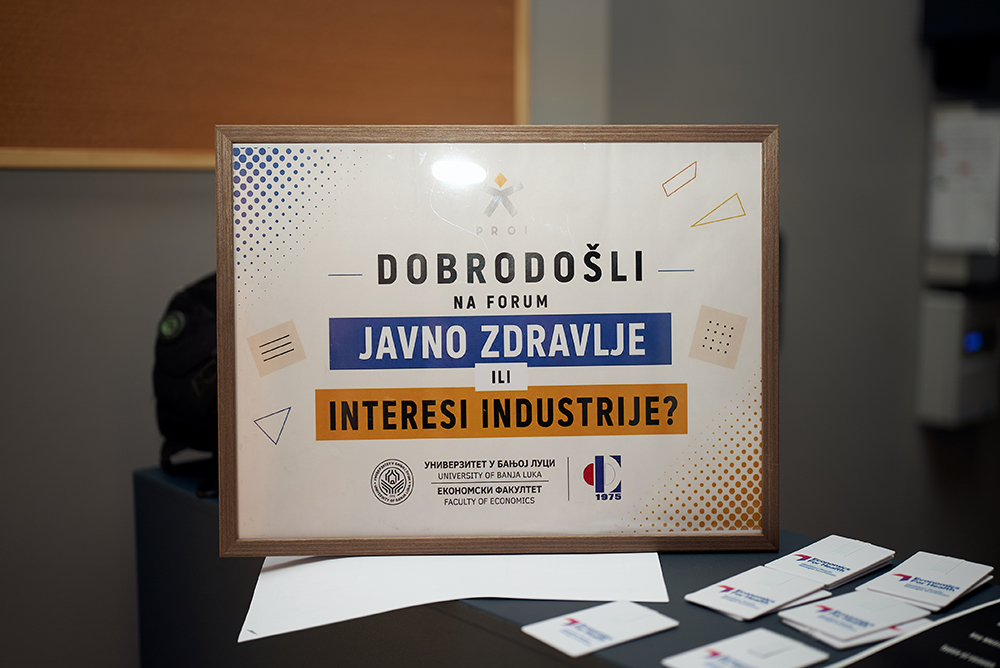
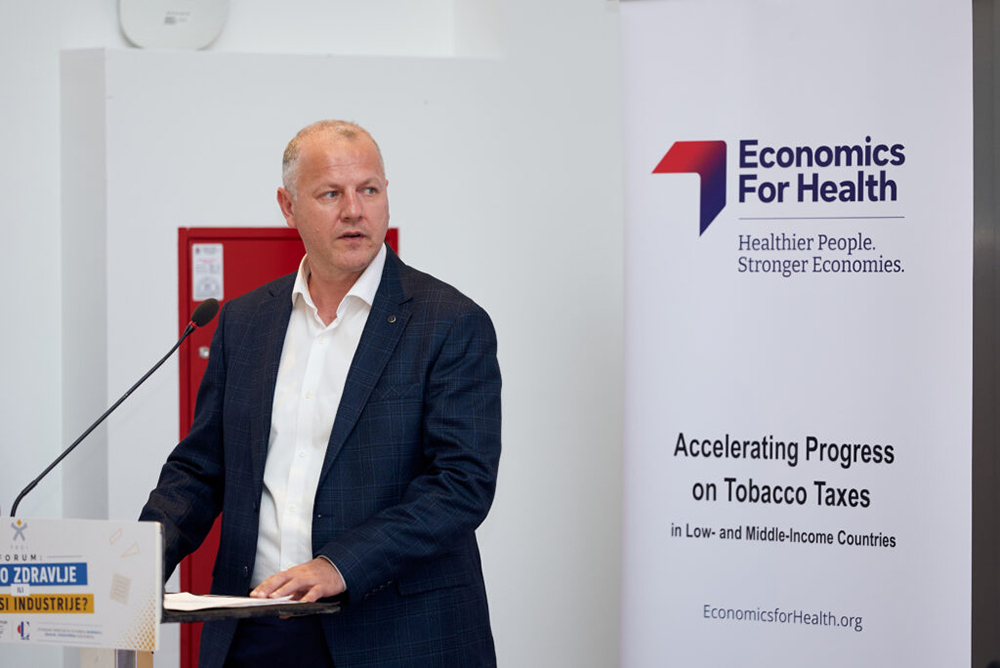
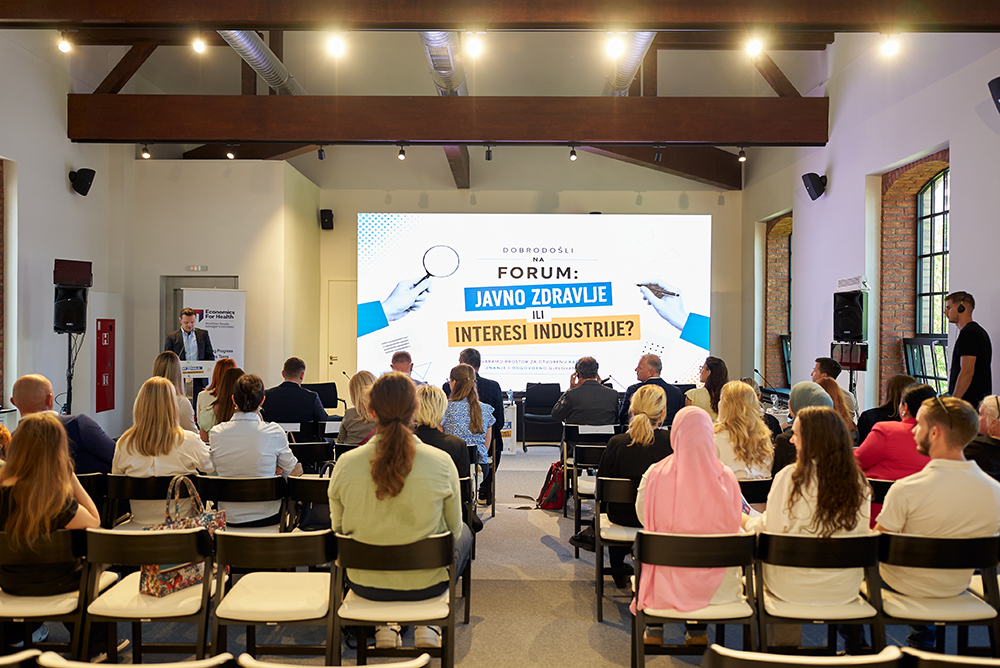
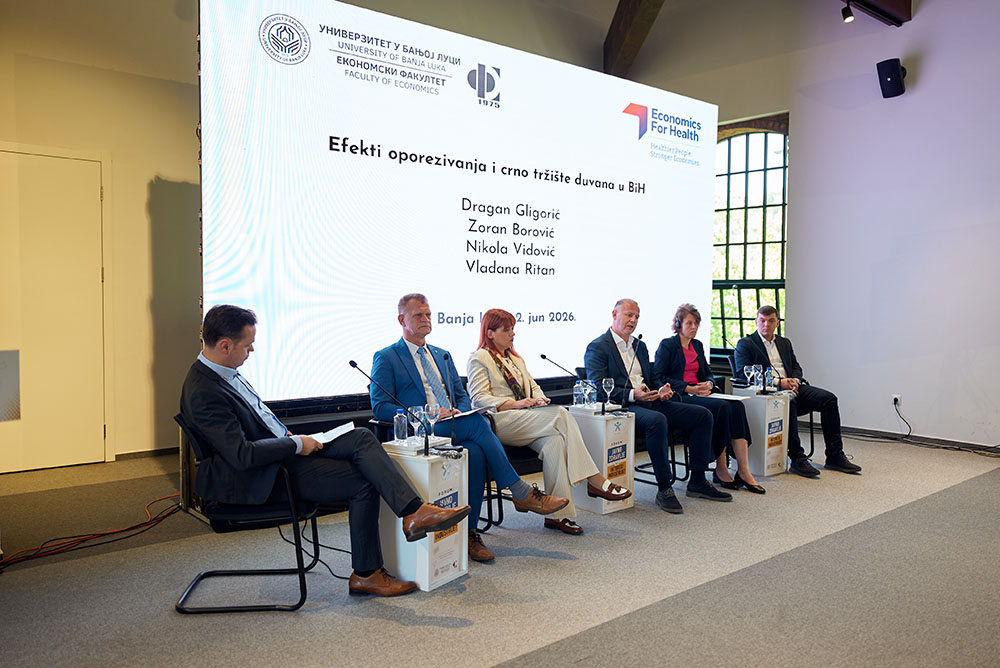
On the occasion of World No Tobacco Day, the forum "Public Health or Industry Interests?" was held in Sarajevo on June 2 in the ASA institute. The event was organized by the PROI Association in cooperation with the Faculty of Economics of the University of Banja Luka. The forum brought together representatives from government institutions, the healthcare sector, international organizations, academia, and civil society.
Our faculty was represented at the forum by Prof. Dragan Gligorić, PhD, the project coordinator, and researcher Nikola Vidović. They presented the results of a study conducted as part of the international scientific research project "Economic Research in Support of Tobacco Tax Reform in Bosnia and Herzegovina," which is led by Johns Hopkins University and funded by Bloomberg Philanthropies.
Namely, Bosnia and Herzegovina continues to have one of the highest smoking rates in Europe. Our research, which we conducted with the support of the World Bank in BiH, shows that smoking prevalence has risen from 41.1% in 2019 to nearly 43% in 2025. [...] Our simulations show that increasing the minimum excise duty by 1 BAM (KM) annually would lead to a revenue growth from excise duties of approximately 12% to 17% per year, despite the decline in cigarette consumption. At the same time, smoking prevalence would decrease by about 3.5 percentage points as early as next year, thousands of premature smoking-related deaths would be prevented, and more than three thousand young people would be deterred from starting to smoke. For this reason, we believe that Bosnia and Herzegovina needs to establish a policy of regular excise duty increases on tobacco products, whereby the minimum growth of excise duties should be at least equal to the sum of the inflation rate and real income growth."
On the other hand, Bosnia and Herzegovina has achieved significant progress in combating illicit tobacco trade. The share of smokers purchasing illicit manufactured cigarettes decreased from 18.1% in 2019 to around 7.3% in 2025, while the overall illicit market currently accounts for less than 8.5% of total tobacco product consumption. These results indicate that there is room to strengthen excise policy while continuing measures aimed at combating illicit trade and tax evasion.
The forum resulted in clear conclusions regarding the need to urgently improve tobacco control policies in BiH, strengthen fiscal measures, and prioritize public health over commercial interests.


Published 04.06.2026 at 18:01
Tobacco Control, Stronger Economy, Healthier Community
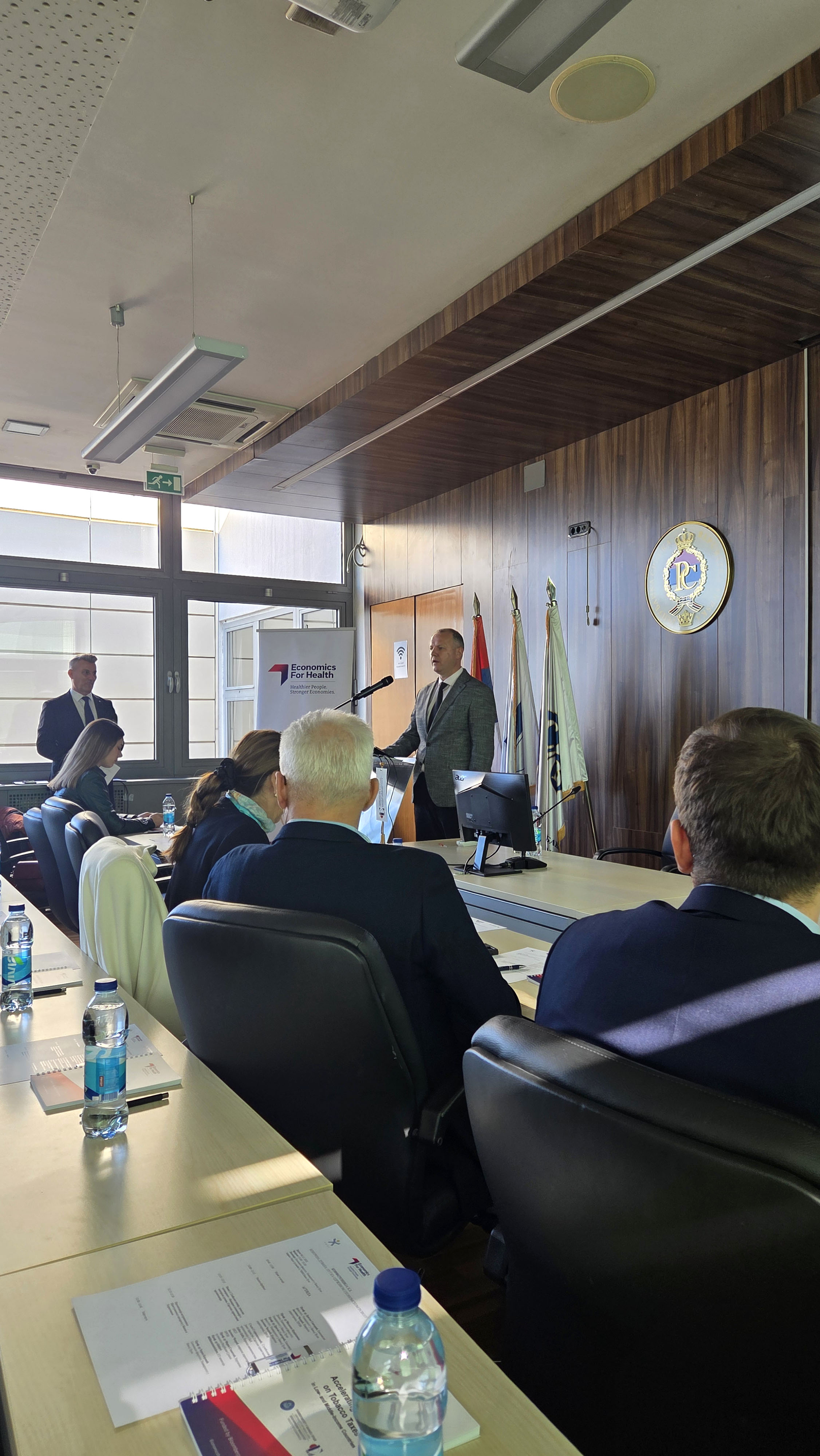
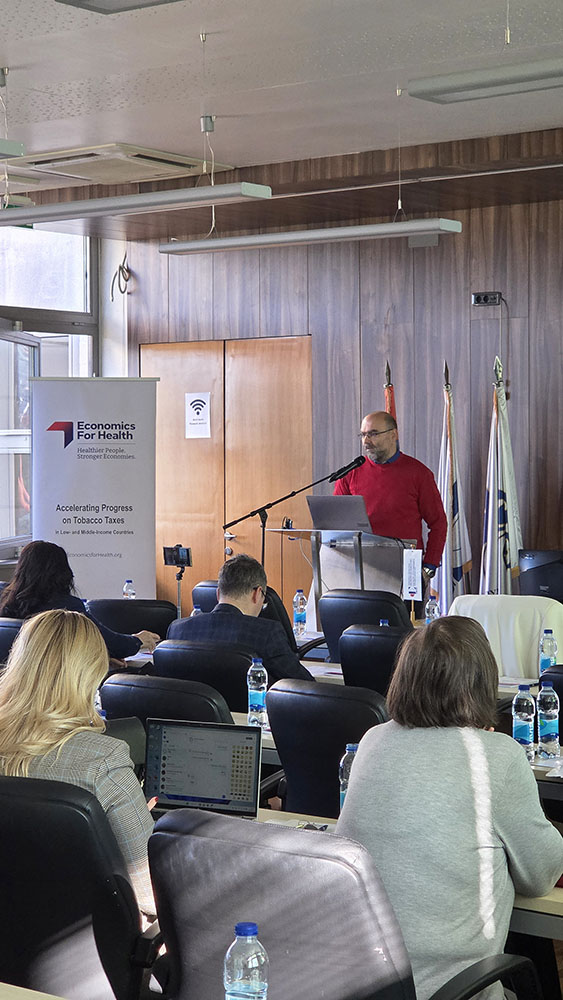
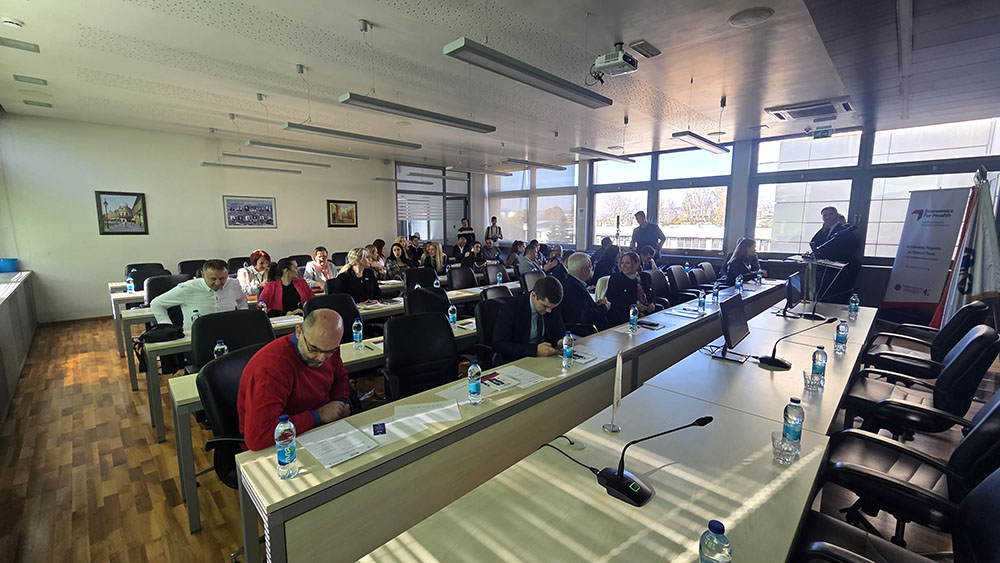
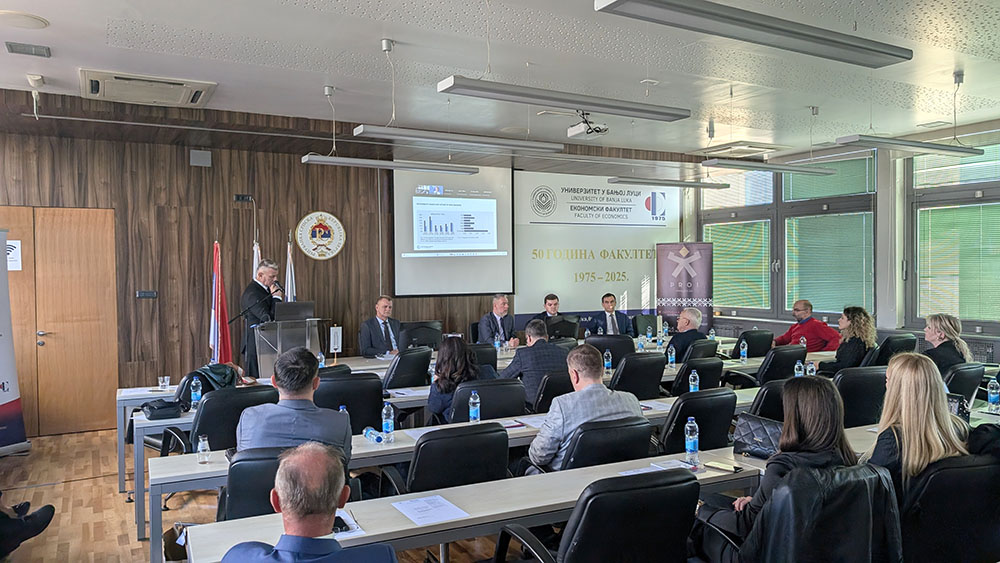
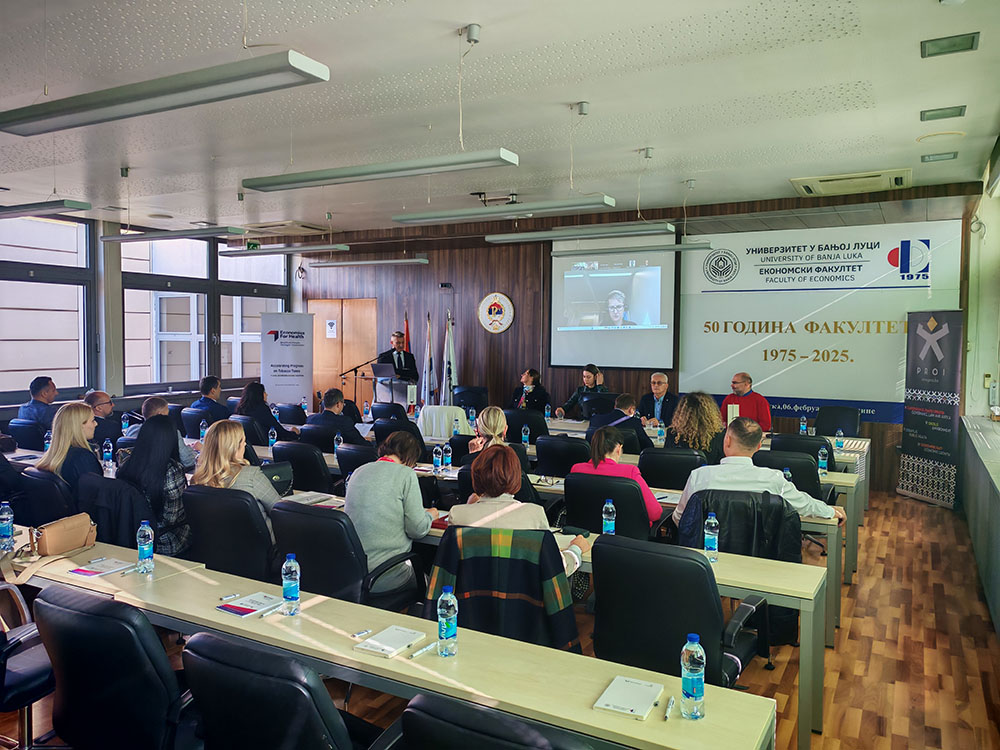
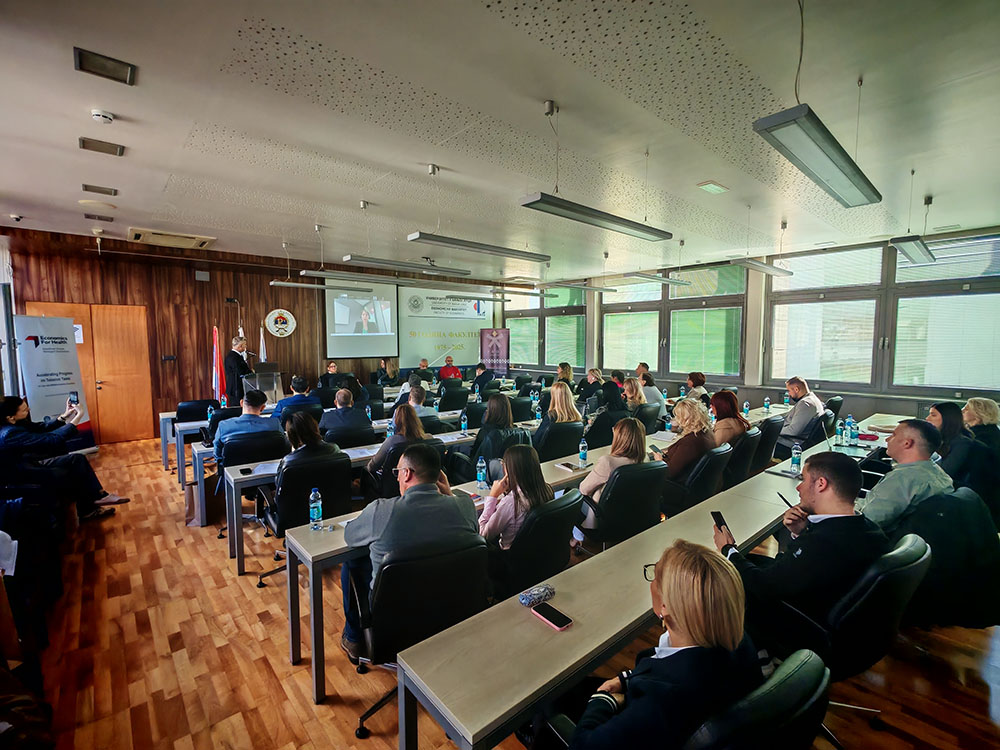
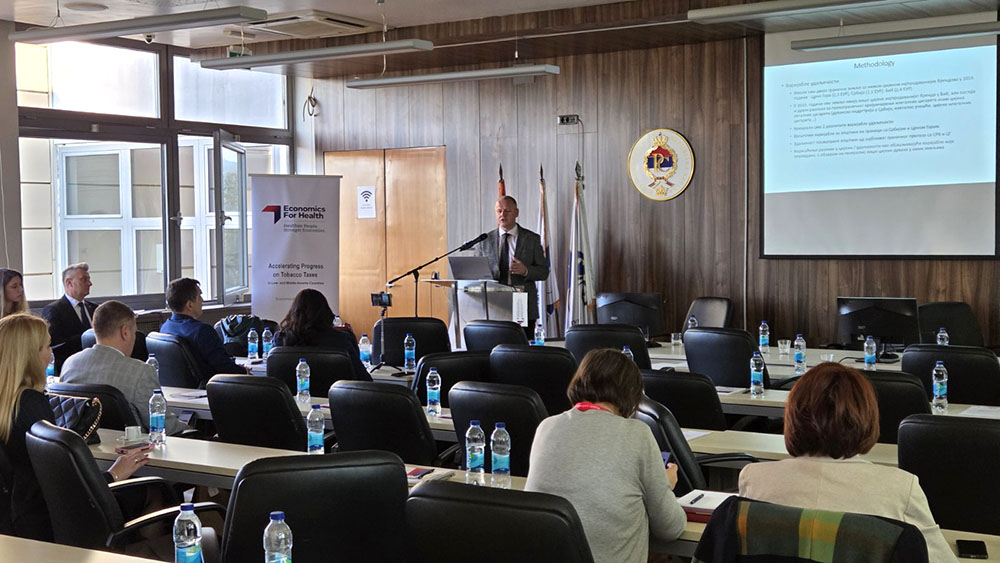
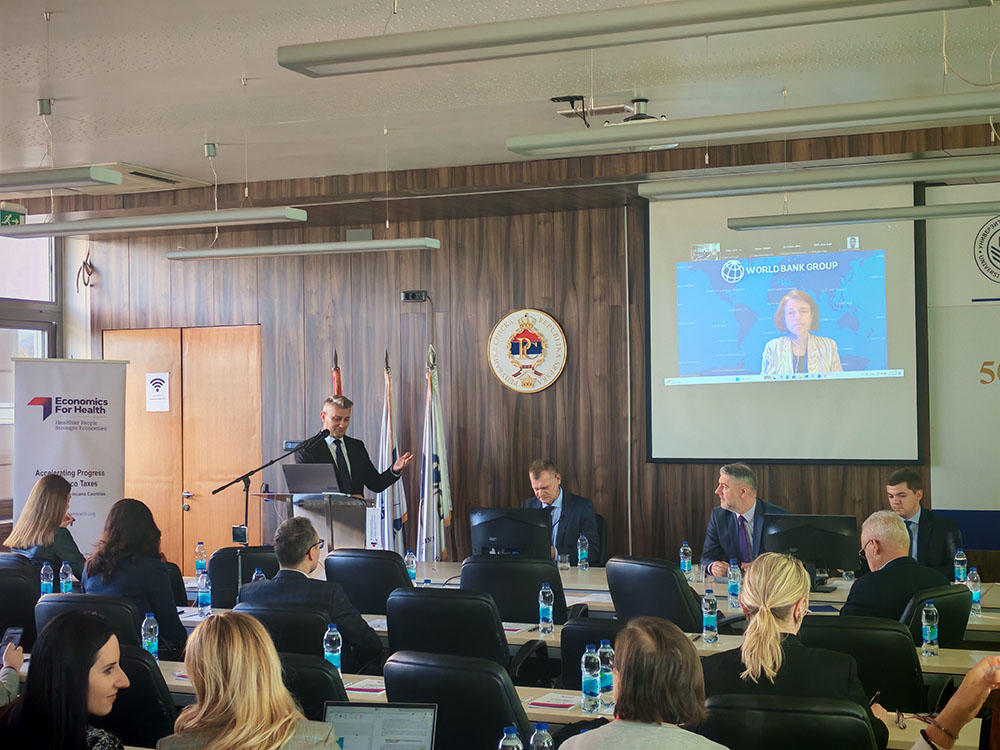
Banja Luka, November 6, 2025 – The Faculty of Economics of the University of Banja Luka hosted the conference “Tobacco Control: The Path to Sustainable Economic Development”, jointly organized by the Faculty of Economics and the PROI Association. The event brought together representatives of the academic community, state and entity institutions, international organizations, and local communities of the Republic of Srpska.
Participants discussed the economic and public health aspects of tobacco control, emphasizing how these two areas are interconnected and contribute jointly to sustainable development. The latest research findings on the economic effects of tobacco control policies were presented, including cigarette affordability, the size and characteristics of the illicit market, and a global overview of the Cigarette Tax Scorecard. These studies show that effective fiscal measures not only reduce tobacco consumption but also strengthen public budgets and contribute to long-term economic growth.
Alongside economic themes, the conference focused on the implementation of Article 5.3 of the World Health Organization’s Framework Convention on Tobacco Control, which protects local communities from tobacco industry interference and ensures that public health decisions remain independent and transparent. Participants exchanged experiences on the role of municipalities and cities in developing local policies that promote smoke-free environments, build public trust, and contribute to healthier communities.
The conference demonstrated that economic and public health policies are not separate spheres but mutually reinforcing: while fiscal measures reduce consumption and increase revenues for development, local implementation of public health measures protects citizens and ensures policy sustainability. Together, they create a comprehensive framework for improving public health and promoting sustainable economic development in Bosnia and Herzegovina.
Published 10.11.2025 at 14:18
World No Tobacco Day 2025
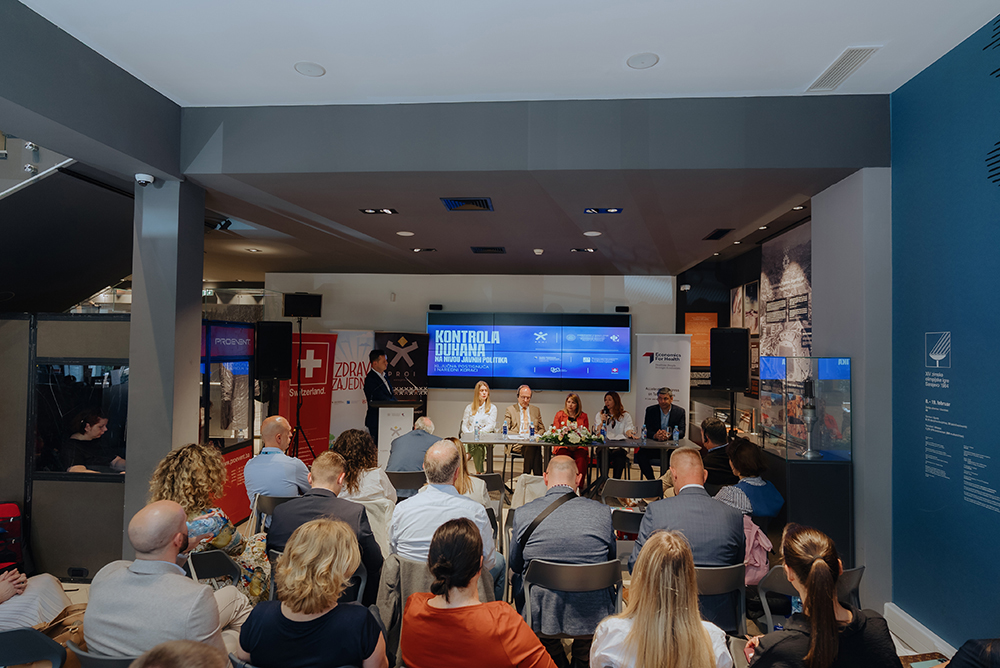
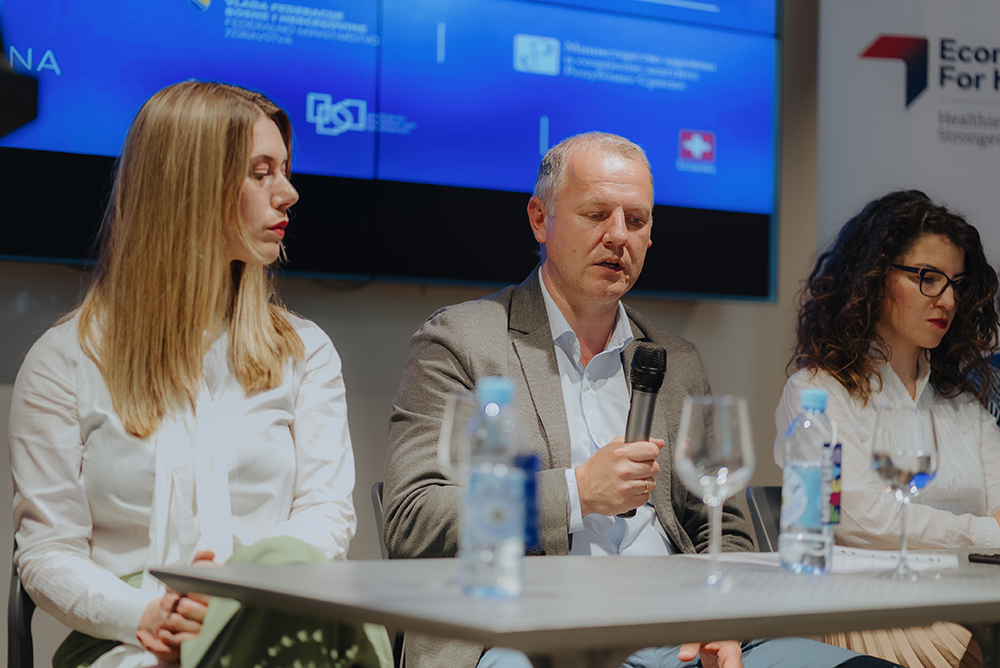
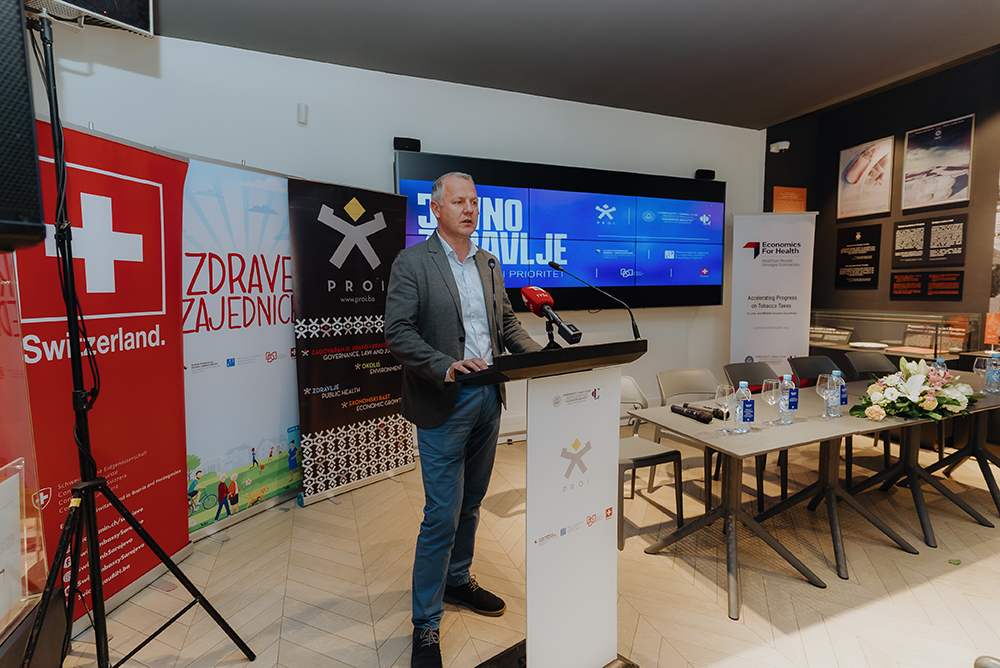
The project team from the Faculty of Economics at the University of Banja Luka, which is implementing the “Accelerating Progress in Tobacco Taxation in Low- and Middle-Income Countries” project—led by Johns Hopkins University (USA) and funded by Bloomberg Philanthropies—marked World No Tobacco Day. On this occasion, June 2, 2025, in collaboration with the PROI Association, a forum entitled “Public Health as a Political Priority” was held at the Olympic Museum in Sarajevo. Numerous representatives from governmental and non-governmental sectors, the academic community, and international organizations attended the event.
During the forum, two panels took place: “Tobacco Control at the Public Policy Level,” which examined measures to improve the legislative framework and eradicate the illicit tobacco trade; and “Health Economics through the Lens of Tobacco Control in Bosnia and Herzegovina,” which presented research findings on cigarette affordability in BiH and the impact of tax policies on tobacco consumption—and, by extension, public health. Professor Dragan Gligorić, PhD, head of the research team at the Faculty of Economics, University of Banja Luka, presented results from several years of project-related studies, as well as the most recent research on cigarette affordability in BiH. His findings indicate a rising trend in affordability since specific excise tax increases on tobacco were halted in 2019.
On this occasion, the Faculty of Economics’ project team reaffirmed the necessity of raising the specific excise tax on tobacco as the most effective policy to reduce consumption and as a means to increase tax revenues from tobacco products. Alongside excise increases, Professor Gligorić emphasized the need to implement additional tobacco control measures, noting that only a comprehensive approach and coordinated action among all relevant stakeholders can successfully combat the smoking epidemic in BiH.
The Faculty of Economics at the University of Banja Luka is part of a regional network of researchers focusing on tobacco taxation in Southeast Europe. Under the “Economics for Health” program—now based at Johns Hopkins University (formerly at the University of Illinois at Chicago, UIC)—it conducts economic research on tobacco taxation in BiH. Johns Hopkins University is a partner of the Bloomberg Initiative to Reduce Tobacco Use. The views expressed in this document cannot be attributed to, nor do they represent, the views of JHU, UIC, or Bloomberg Philanthropies.
Published 06.06.2025 at 12:30
Participation in the media forum on tobacco control
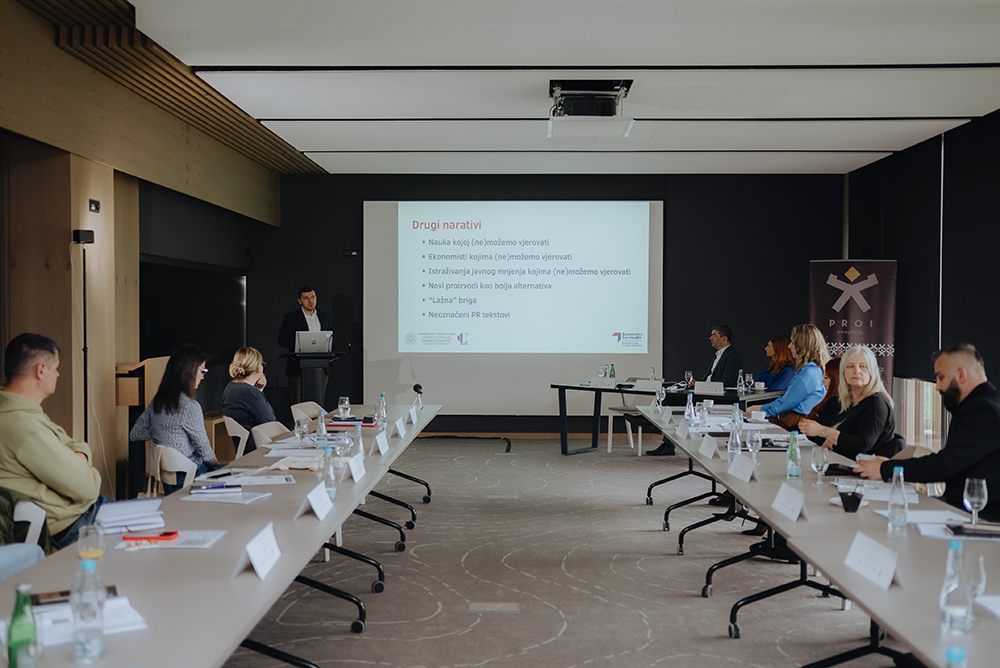
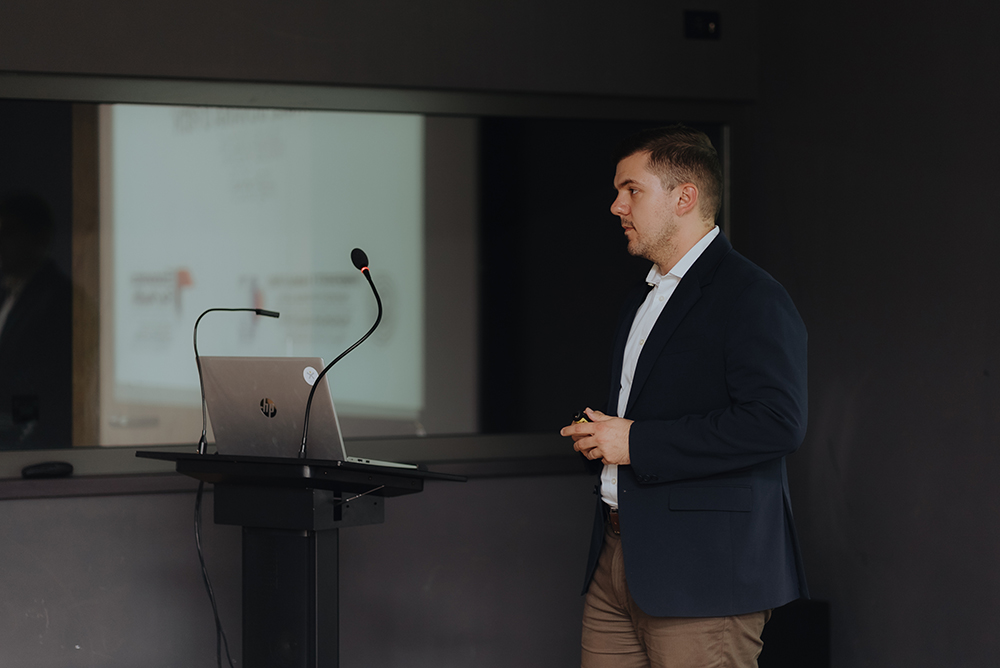
Academci Assistant and Junior Researcher Nikola Vidović, as a representative of the Faculty of Economics, University of Banja Luka, and the project "Accelerating Progress in Tobacco Taxation in Low- and Middle-Income Countries," participated as a lecturer at the media forum titled “Effective Reporting on the Implementation of the Tobacco Control Law in the Federation of Bosnia and Herzegovina.” The event took place on Igman Mountain on May 23–24, 2025, and was organized by the NGO PROI.
The lecture, “Health Economics in the Context of Tobacco Control in Bosnia and Herzegovina,” focused on the importance of taxation policies and measures to tackle the illicit tobacco market as complementary economic tools to reduce tobacco use and prevalence. Key activities and research of our project team were presented, as well as efforts to address and dispel some of the persistent myths and narratives promoted by the tobacco industry.
Special emphasis was placed on the importance of enacting and implementing comprehensive tobacco control laws, with the aim of strengthening public health protection, as well as on the role of the excise tax policy in curbing smoking prevalence and intensity.
Published 05.06.2025 at 13:37
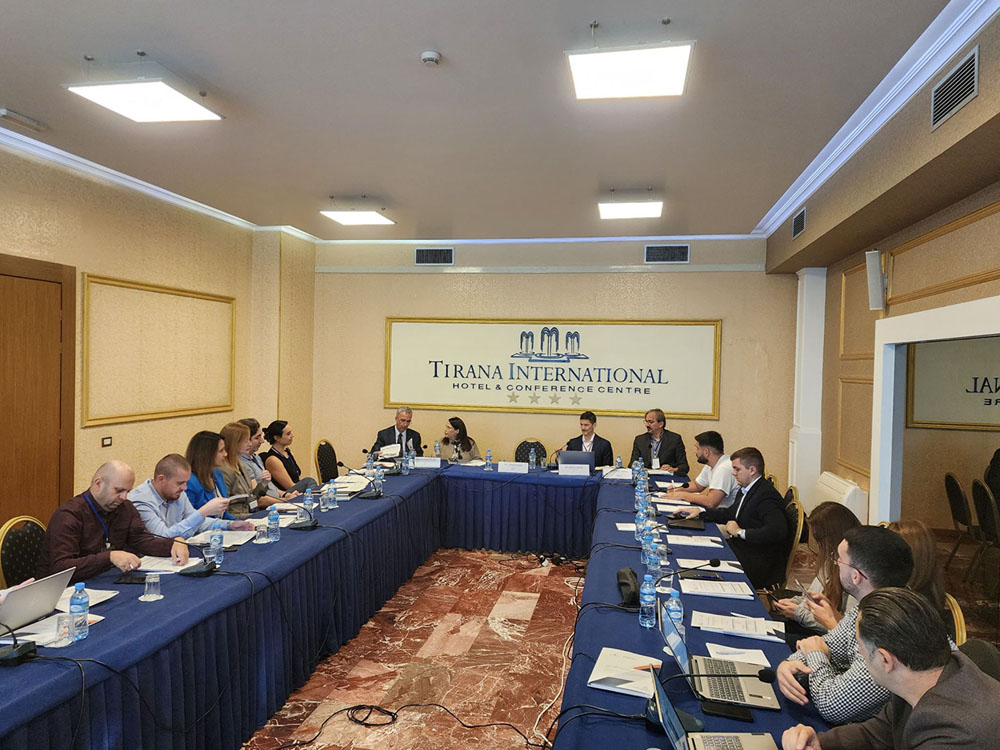
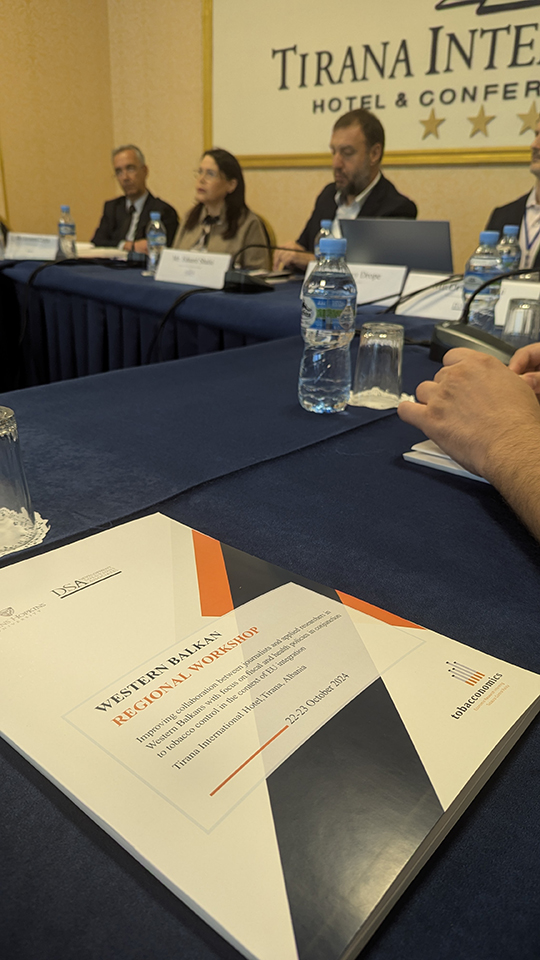
Participation at the “Improving collaboration between journalists and applied researchers in Western Balkans with focus on fiscal policies, health in conjunction to tobacco control in the light of EU integration”
From October 22 to 24, 2024, a three-day regional event for researchers, media, and non-governmental organizations was held in Tirana, Albania, under the title “Improving collaboration between journalists and applied researchers in Western Balkans with focus on fiscal policies, health in conjunction to tobacco control in the light of EU integration”. The event was organized by “Development Solutions Associates (DSA)” from Tirana and the Bloomberg School of Public Health at Johns Hopkins University (USA) as part of the Economics for Health program.
The event aimed to connect researchers and journalists from the Western Balkans who are active in the fields of public health and fiscal policies, as well as to present research findings from the project conducted in these countries. Based on the research, recommendations were also presented for improving tobacco control in the Balkan countries, with particular attention to the role of European integration.
Representing the research team from the University of Banja Luka, a junior researcher and academic assistant, Nikola Vidović attended the event. Media representatives included Olivera Dodig, host and editor of the show “Paths to Health” on the national television channel BHT, and Senja Mahinić, a journalist for the istraga.ba. Additionally, Jasmina Čekrić, the director of the organization PROI and a long-standing partner of the research team in efforts to reduce tobacco use in Bosnia and Herzegovina, attended the event as a representative of the non-governmental sector.
Besides the formal sessions and roundtable discussions, the event also provided opportunities for informal collaboration and networking between researchers and media representatives, as well as an introduction to Albania’s cultural and historical heritage. Furthermore, participants visited the Parliamentary Institute of Albania, a research institution within the country’s parliament that bridges science and legislation. This visit offered valuable insights, particularly in terms of proposing legislative changes in the field of tobacco control.

Published 01.11.2024 at 16:59
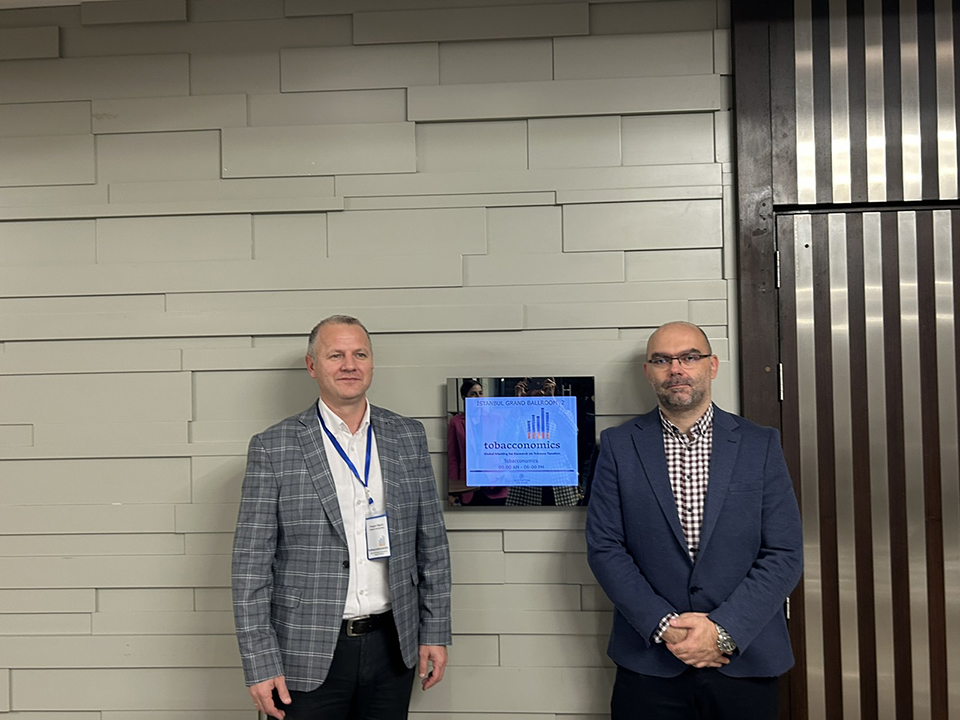
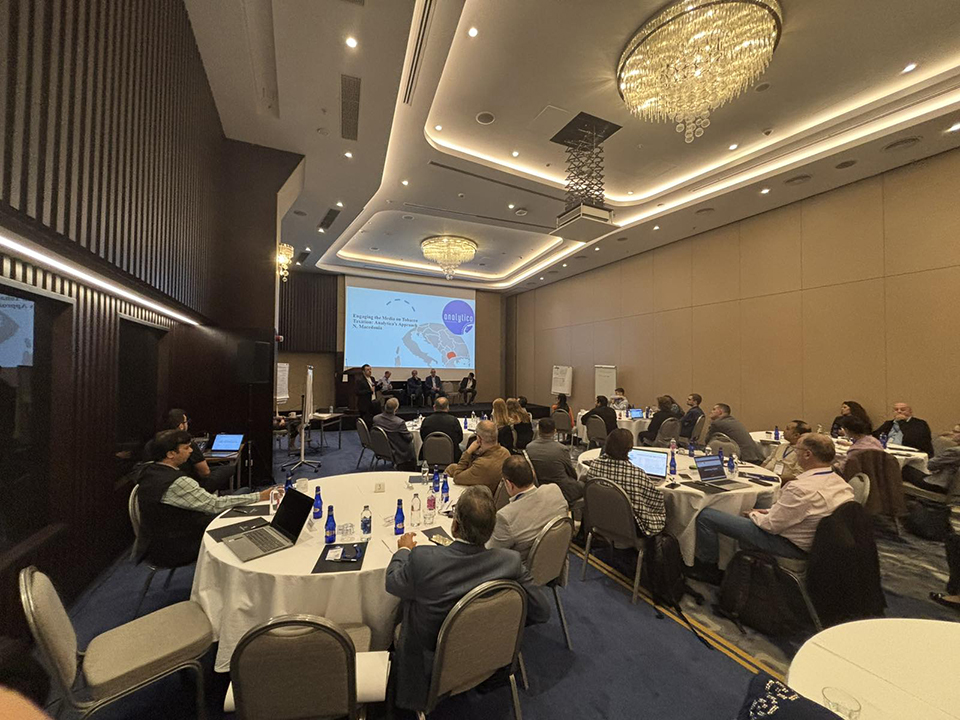
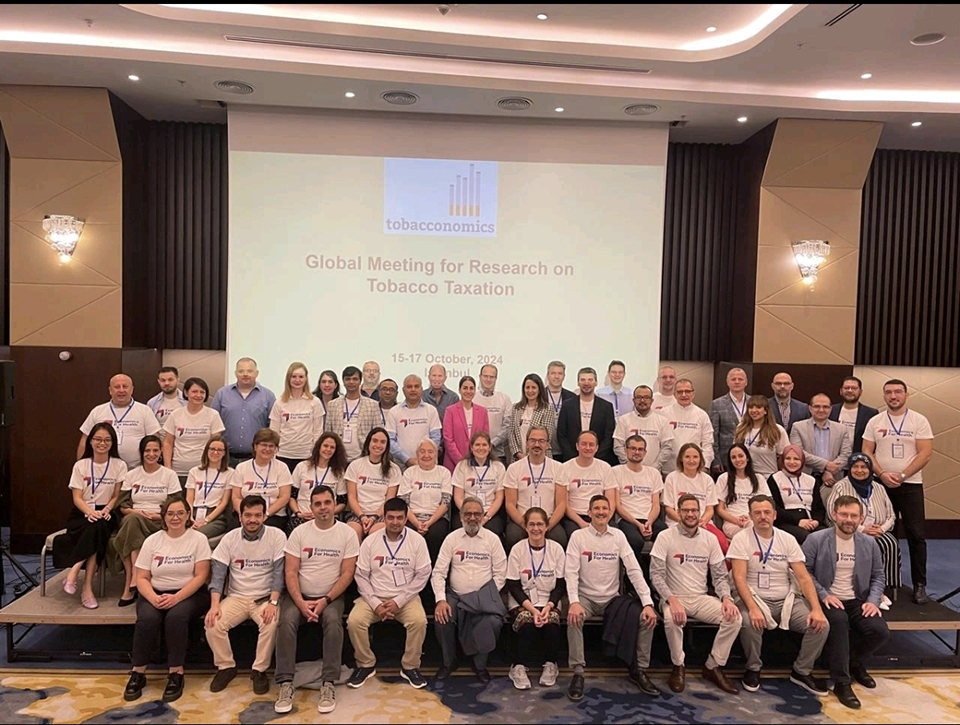
Participation at the “Global Meeting for Research on Tobacco Taxation”
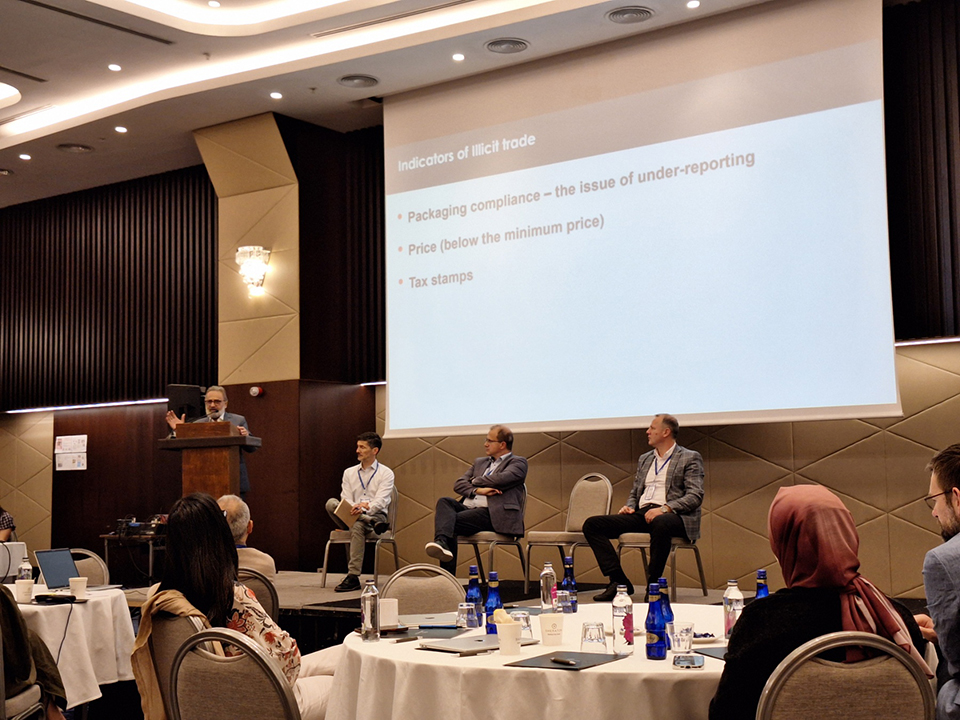
In collaboration with the Vienna Institute for International Economic Studies, Johns Hopkins Bloomberg School of Public Health organized a three-day conference (September 15–17, 2024). Researchers from over twenty countries presented their studies and exchanged experiences in the field of tobacco taxation with whom the Faculty of Economics, University of Banja Luka, collaborates on the project “Accelerating Progression on Tobacco Taxation in Low- and Middle-Income Countries”. Representing the Faculty of Economics, University of Banja Luka, the conference was attended by the principal investigator, Prof. Dragan Gligoric, and Prof. Zoran Borovic, researcher. They presented their work, including the studies “Measuring the economic costs of tobacco use – Evidence from Bosnia and Herzegovina” and “Bosnia and Herzegovina Tobacco Excise Tax Modeling-Revised model”
During the conference Prof. Dragan Gligoric took part in panel discussions, where he shared insights from the project's implementation, which has been ongoing since 2018. He also presented findings on the economic implications of tobacco use in Bosnia and Herzegovina, along with analyses of the illegal tobacco market and tax evasion.
Published 27.09.2024 at 09:53
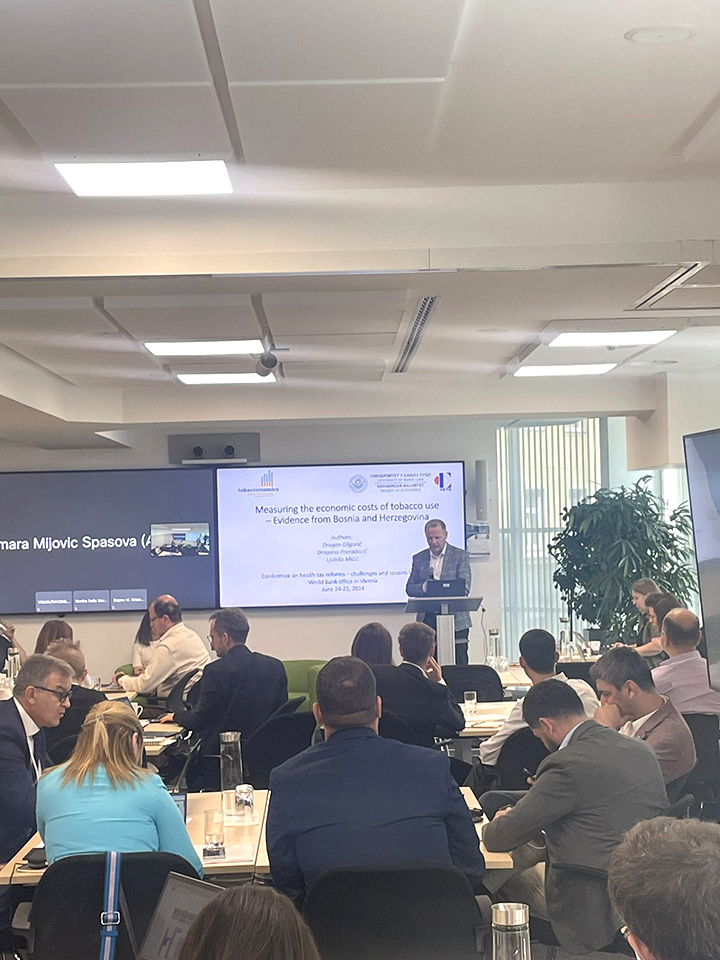
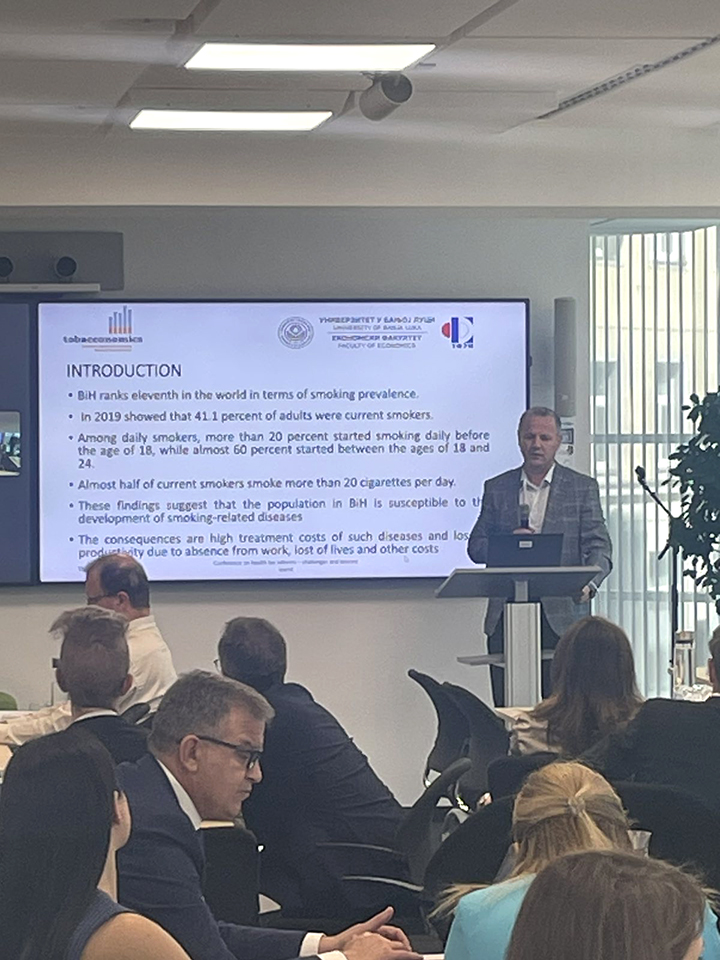
Participation at the “Conference on health tax reforms – challenges and lessons learned”
World Bank office in Vienna organized a two-day conference in Vienna (June 24-25, 2024) where researchers presented their findings and exchanged experiences in the field of health tax reforms. The focus of the conference was tobacco, alcohol, and sugar-sweetened beverages taxation, with representatives of the policymakers also taking part in the conference. The conference is co-organized by the Vienna Institute for International Economic Studies and the Johns Hopkins Bloomberg School of Public Health which is the partner of the University of Banja Luka Faculty of Economics on the project “Accelerating Progression on Tobacco Taxation in Low- and Middle-Income Countries”. The principal investigator from the project on behalf of the University of Banja Luka Faculty of Economics presented the study “Measuring the economic costs of tobacco use – Evidence from Bosnia and Herzegovina”.
From June 25 to 26, research meetings were also held at the Vienna Institute for International Economic Studies, where the main researcher presented experiences in the project implementation so far (which has been implemented since 2018) and presented the results related to the economic aspects of tobacco use in B&H, as well as challenges in the implementation of stricter tobacco control policies in B&H, a country that ranks among the highest in the world for the percentage of smokers in its population (smoking prevalence).

Published 03.07.2024 at 15:17
World No Tobacco Day 2024
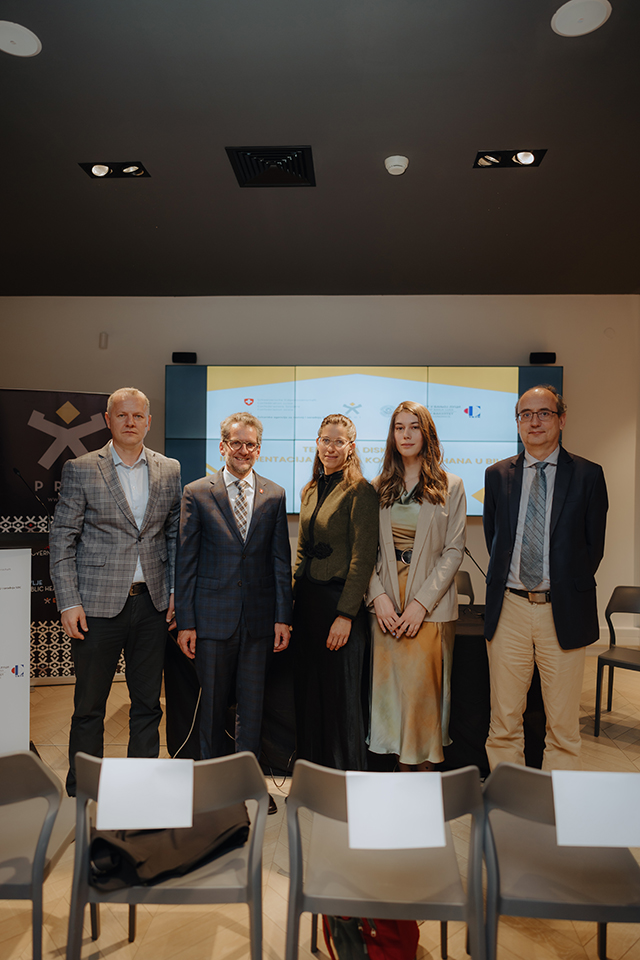
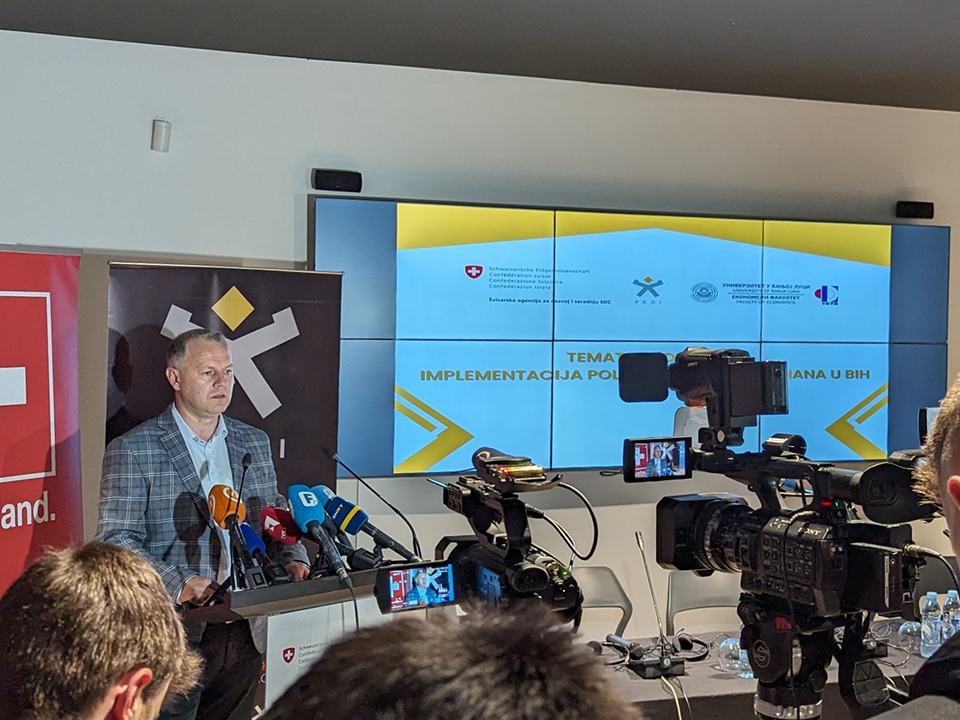
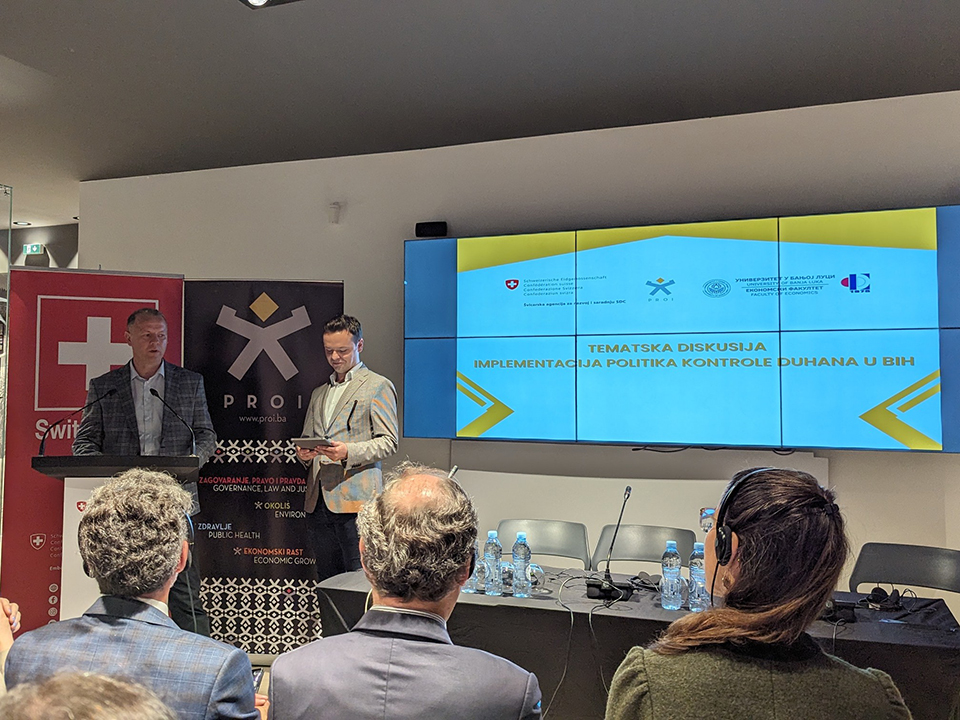
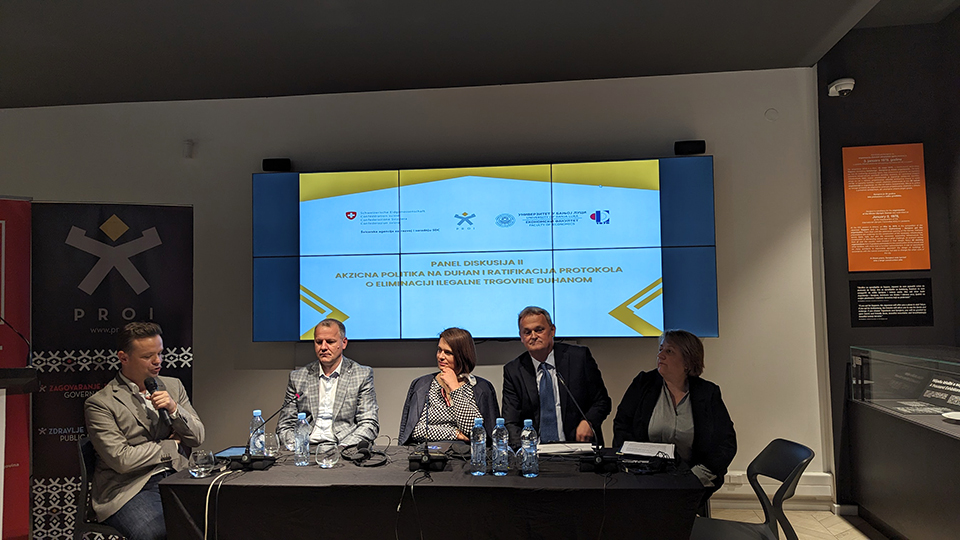
The project team of the Faculty of Economics, University of Banja Luka, working on the project "Accelerating Progression on Tobacco Taxation in Low- and Middle-Income Countries", which is implemented in cooperation with the Bloomberg Philanthropies, The Tobacconomics Program and the Johns Hopkins University (USA), marked this year's World No Tobacco Day, May 31. The marking of this important date in the fight against smoking was held at the Olympic Museum in Sarajevo, by holding a thematic discussion titled “Implementation of tobacco control policies in B&H”. The event gathered a large number of stakeholders from the government and non-governmental sectors, as well as other stakeholders in the field of tobacco control.
The thematic discussion itself was an opportunity to hold two thematic panels:
- Progress of tobacco control policies in BiH
- Excise policy on tobacco and ratification of the protocol on the elimination of the illicit tobacco trade.
On behalf of the project team of the Faculty of Economics, University of Banja Luka, the principal investigator prof. Dragan Gligoric also presented to the attendees the results of multiple studies conducted in the previous years by the Faculty of Economics, University of Banja Luka, in this domain. The results of research on the economic cost of smoking for B&H, as well as the conclusions of the latest research on the factors that influence the initiation of smoking among youth were presented. The event was an opportunity to once again underline the importance of tax policies as one of the key tools in the fight to reduce the prevalence and intensity of smoking.
Apart from the local organizations and institutions, representatives of the World Health Organization and the Delegation of the European Union to Bosnia and Herzegovina also took part in the thematic discussions.
The event was organized in cooperation with PROI and the Swiss Agency for Development and Cooperation (SDC).
The University of Banja Luka (UBL), Bosnia and Herzegovina, is part of a regional network of researchers in Southeastern Europe on tobacco taxation. UBL has been working in cooperation with the Tobacconomics program now at Johns Hopkins University (JHU) (previously housed at the University of Illinois Chicago, or UIC) to conduct economic research on tobacco taxation in Bosnia and Herzegovina. JHU is a partner of the Bloomberg Initiative to Reduce Tobacco Use. The views expressed in this document cannot be attributed to, nor do they represent, the views of JHU, UIC, or Bloomberg Philanthropies.

Published 04.06.2024 at 15:48
University of Banja Luka's Economics Faculty Team Attends International Tobacco Taxation Conference
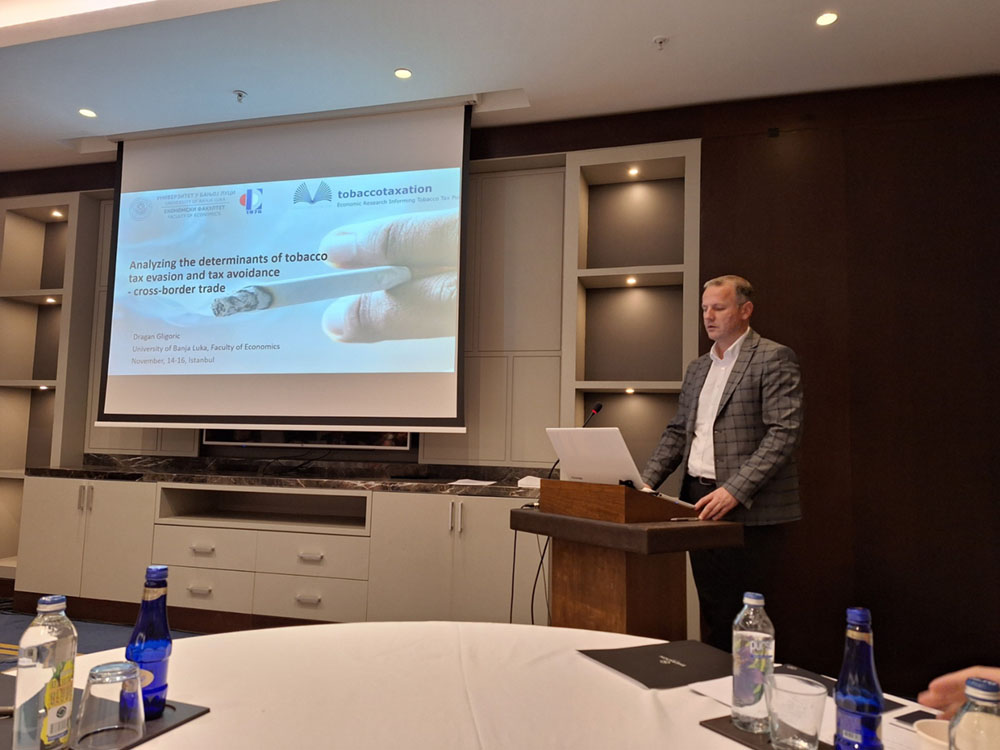
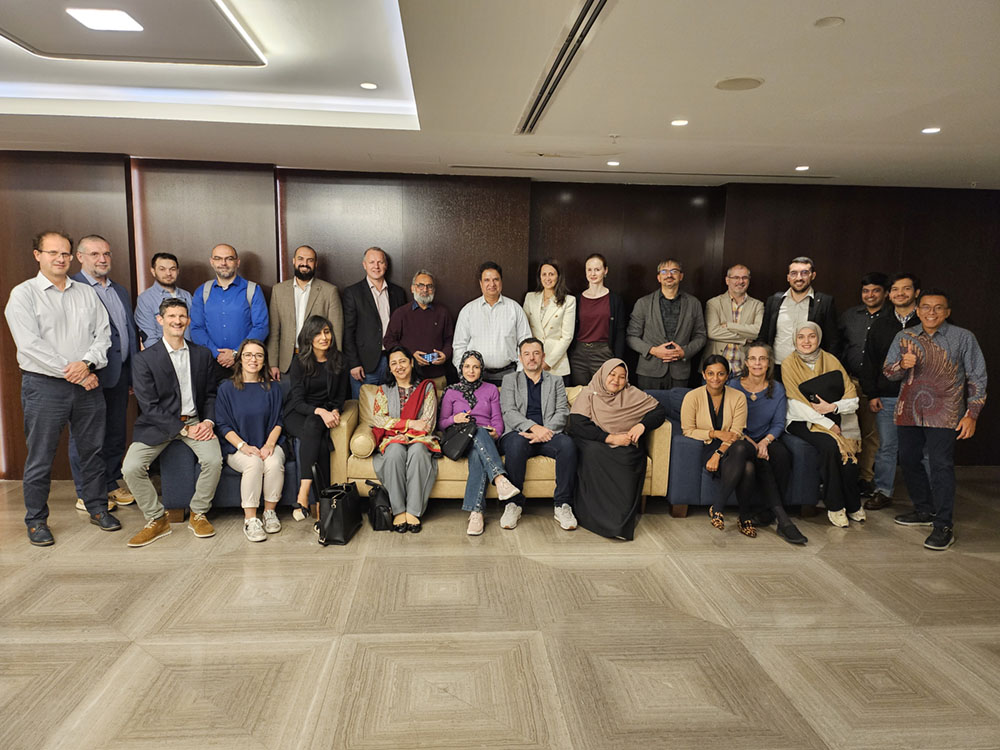
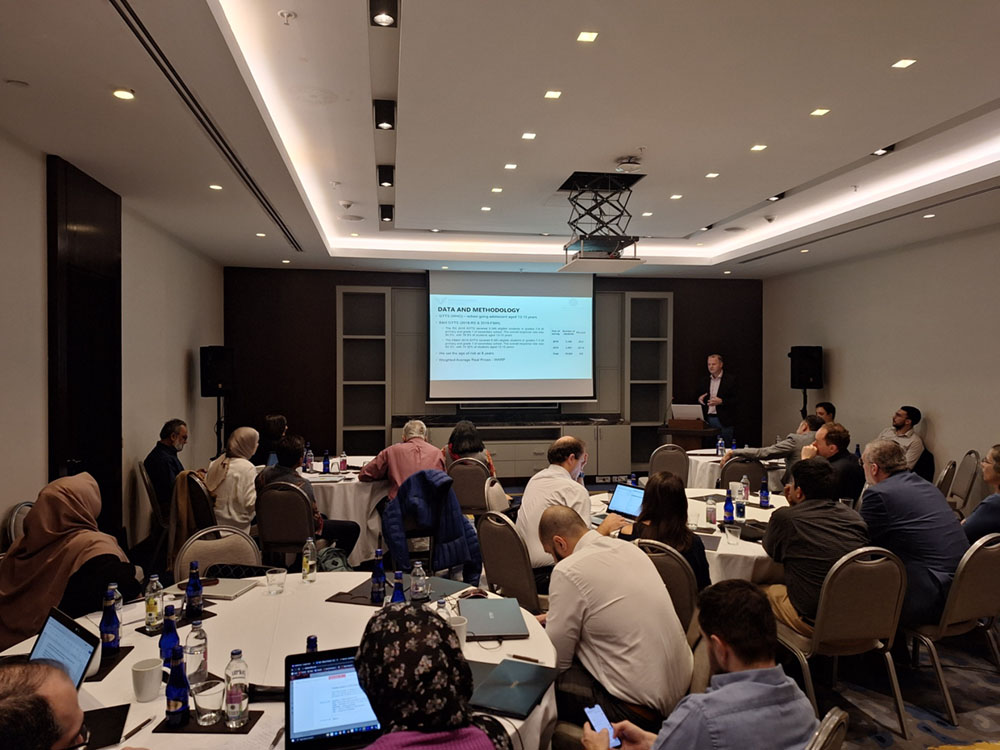
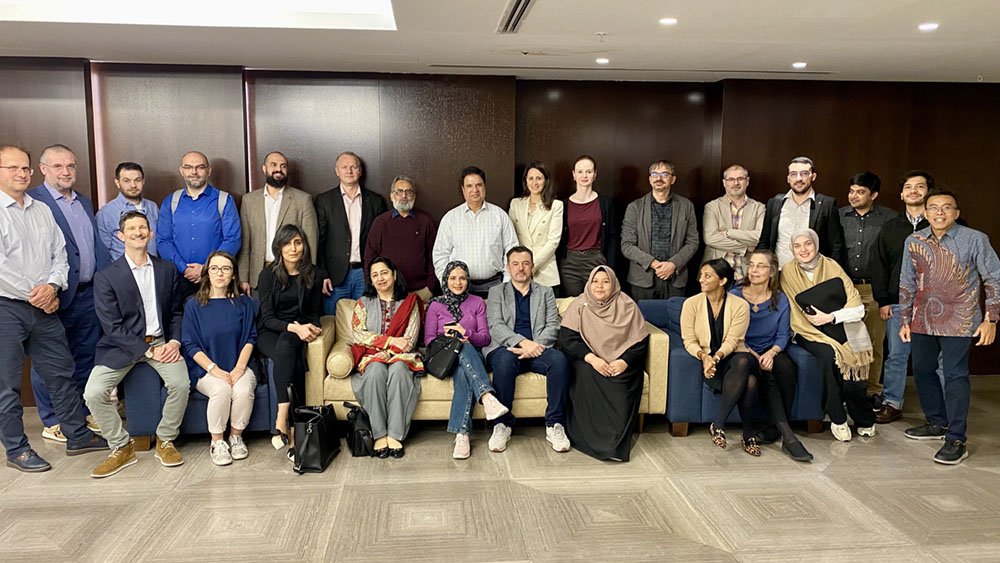
Representatives of the research team from the Faculty of Economics, University of Banja Luka – Professor Dragan Gligoric, Ph.D., and Associate Professor Zoran Borovic, Ph.D., recently attended a significant regional meeting on Tobacco Taxation from November 14th to 16th in Istanbul, Turkey. This event gathered experts and organizations representatives from across Europe and Asia, dedicated to discussing advancements in tobacco taxation and control.
At the conference, our team had the opportunity to present two important research studies. The first, led by Professor Dragan Gligoric, was titled "Effects of Tobacco Control Policies and Cigarette Pricing on Smoking Initiation Among Youth in Bosnia and Herzegovina,". The research results of this study are crucial for understanding the dynamics of smoking habits among young people in Bosnia and Herzegovina, as well as shaping effective tobacco control strategies. The second study, "B&H Tobacco Excise Tax Modeling" presented by Associate Professor Zoran Borovic, focuses on examining the impact of excise growth on cigarette consumption, fiscal revenues, and smokers' mortality. Analyses show that a significant increase in excise reduces the initiation of smoking among the youth, cigarette consumption, and the number of deaths, while, on the other hand, it increases fiscal revenues."
In addition to the research conducted by our research team consisting of Dragan Gligoric, Zoran Borovic, Nikola Vidovic, Vladana Ritan, and Project Manager Anđela Pepić, team representatives present in Istanbul also delivered a presentation on the topic "Analyzing the determinants of tobacco tax evasion and tax avoidance - with a focus on cross-border trade."
The conference, organized by the University of Illinois Chicago, gathered 35 participants from 17 different countries. It served as an excellent platform for sharing knowledge, discussing current challenges, and exploring future directions in tobacco taxation policy.
The participation of our team in this international forum highlights their dedication to contributing to global discussions on tobacco control. Their work not only enhances our understanding of these issues but also positions our institution as a leader in research in this field.
Published 23.11.2023 at 11:07
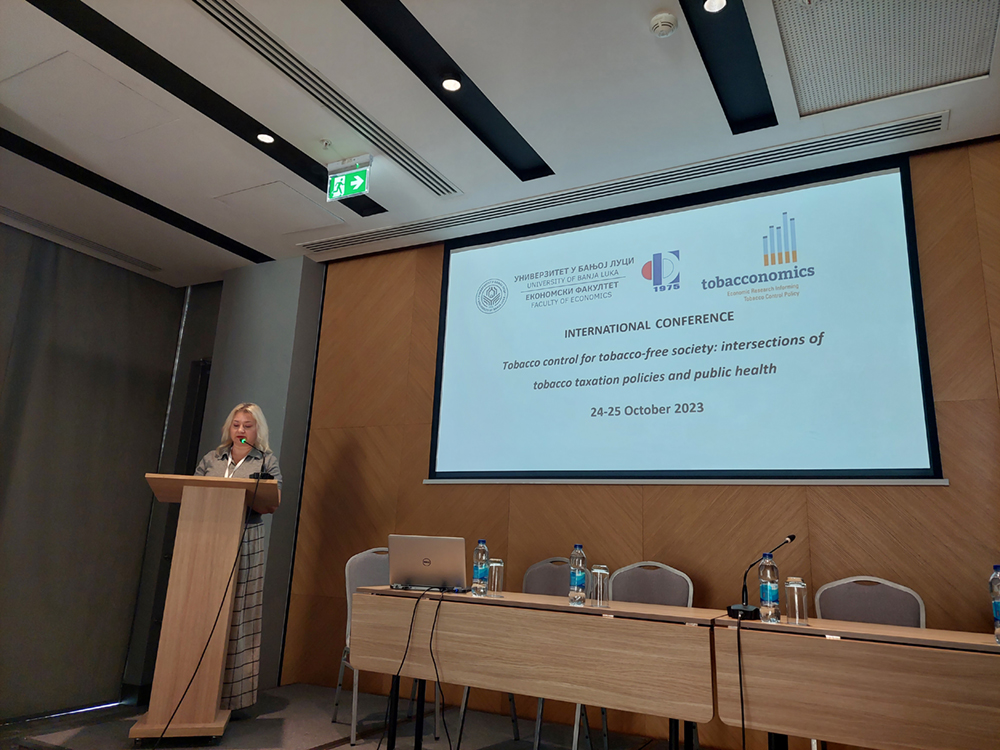
INTERNATIONAL CONFERENCE ON TOBACCO CONTROL HELD IN BANJA LUKA
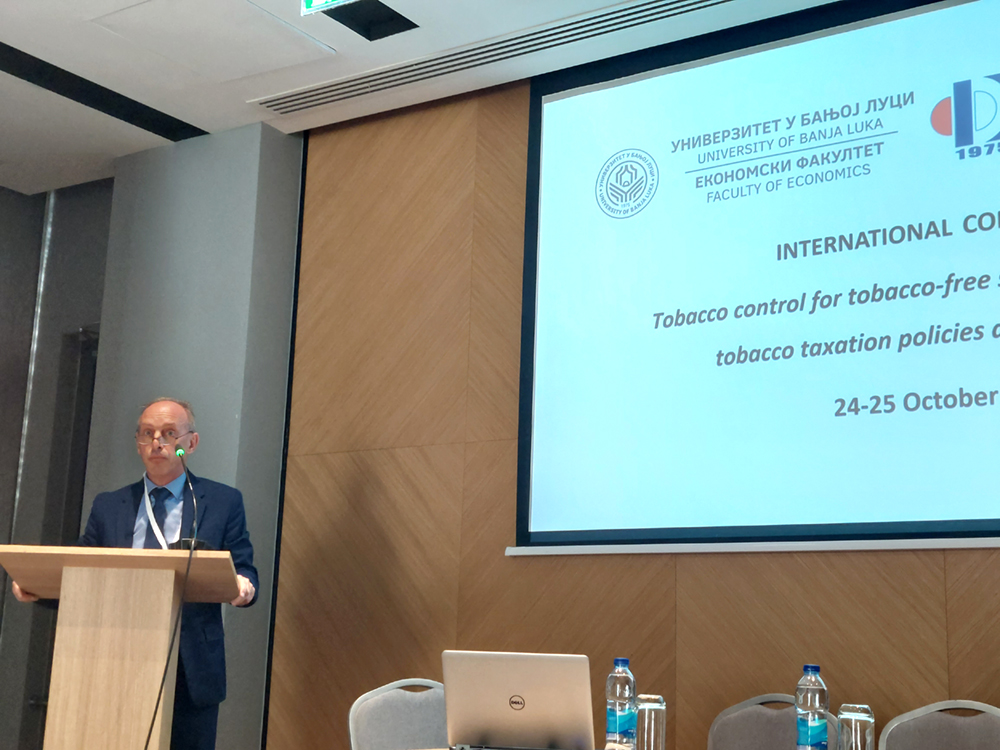
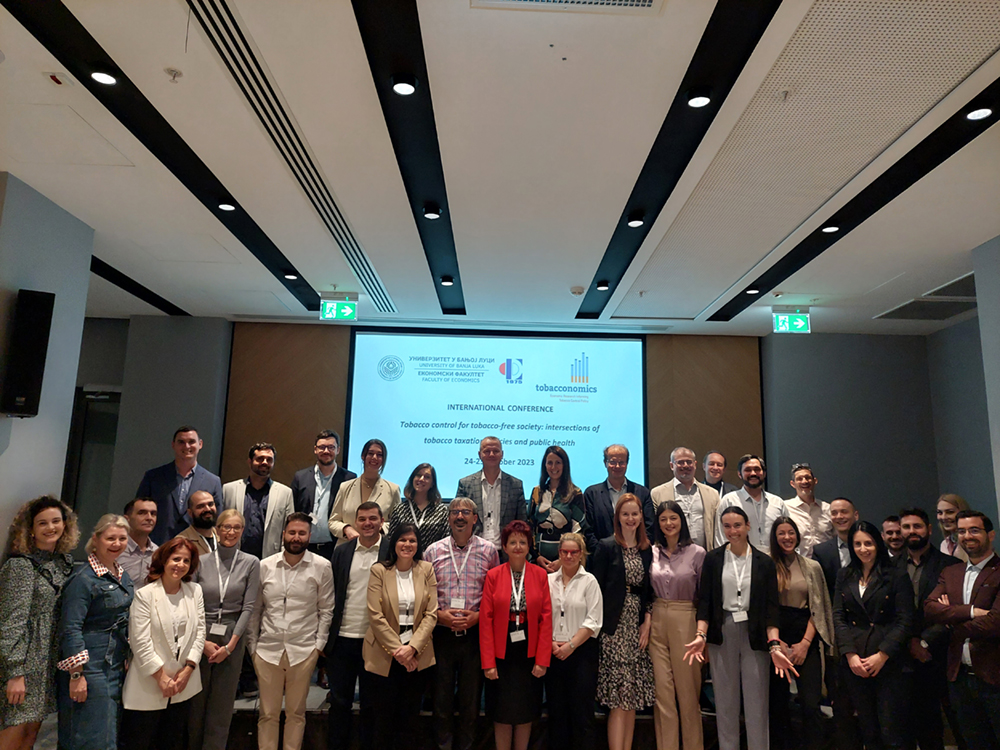
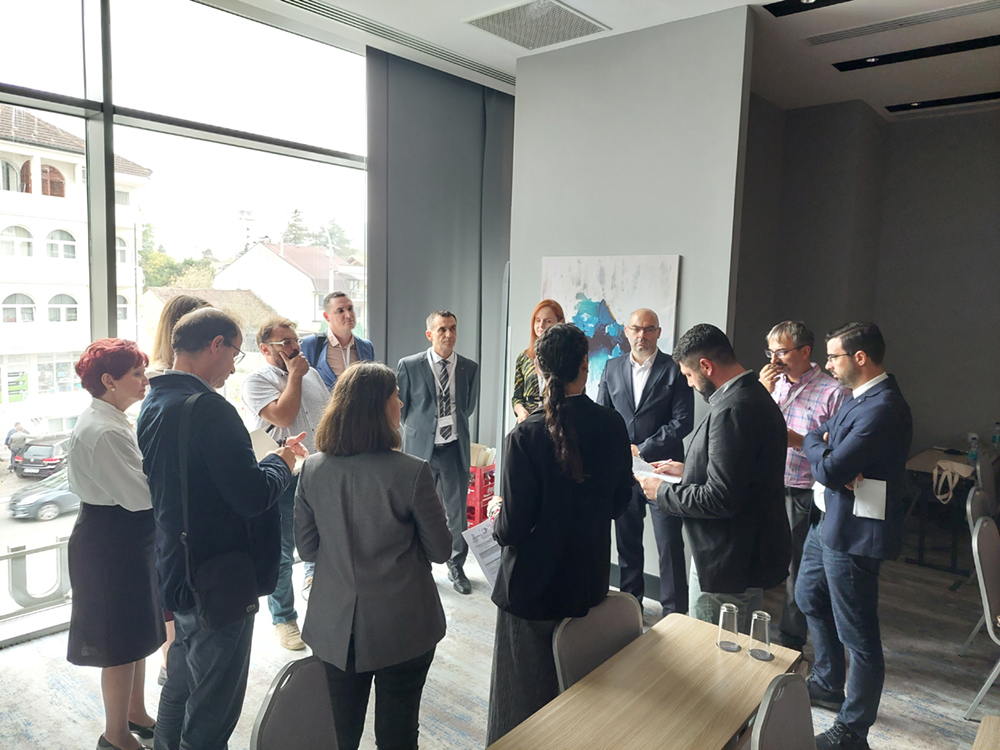
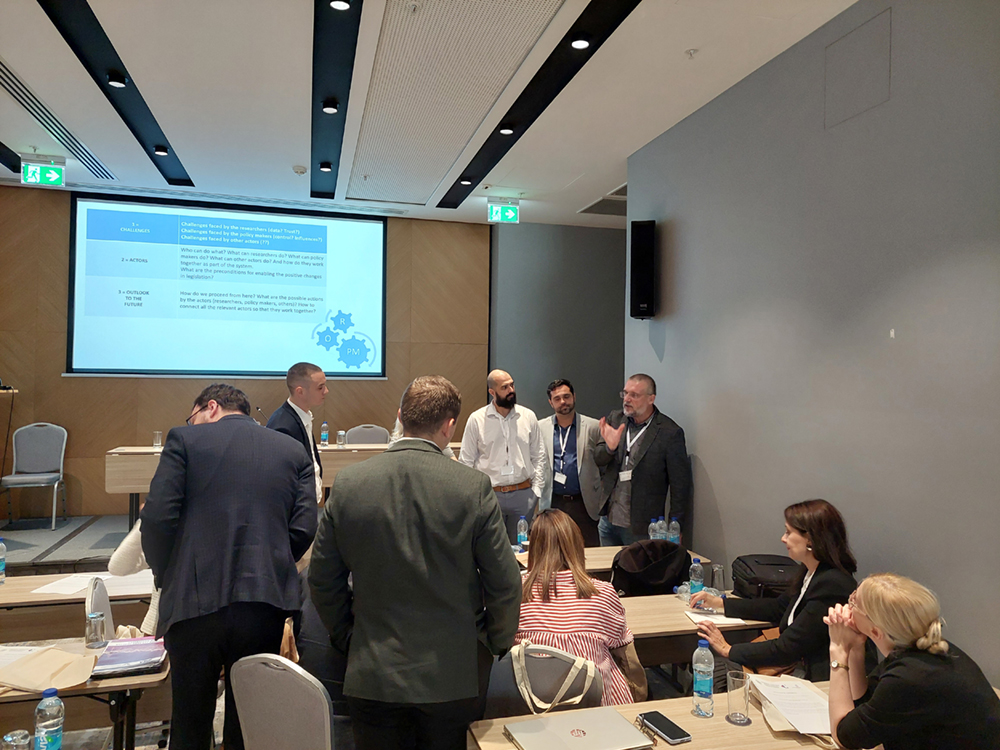
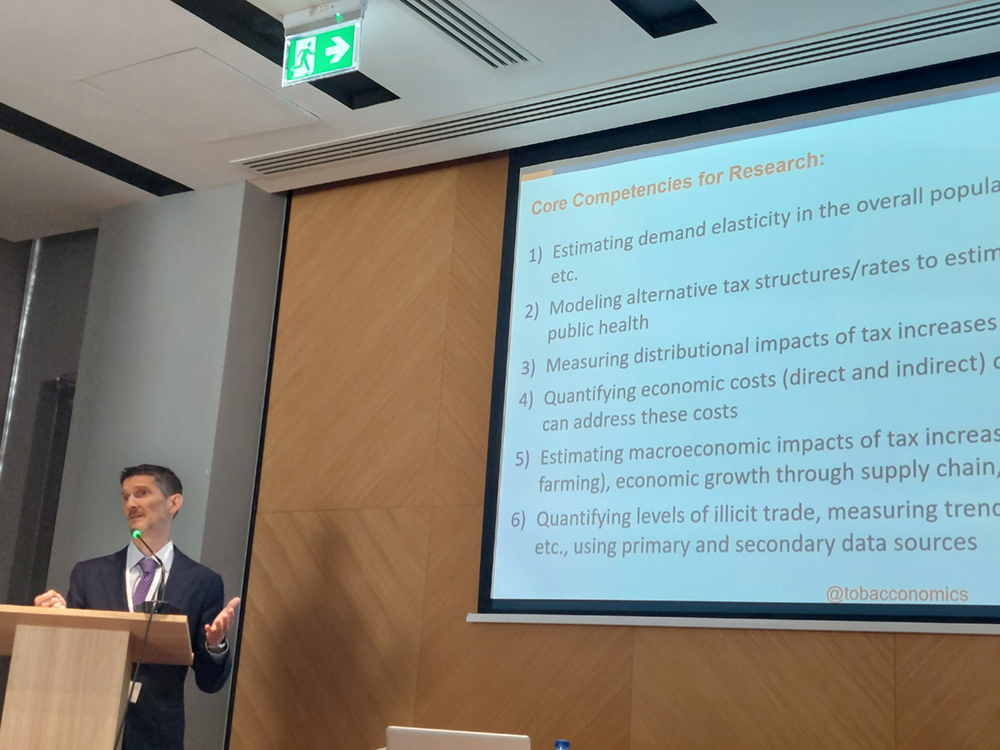
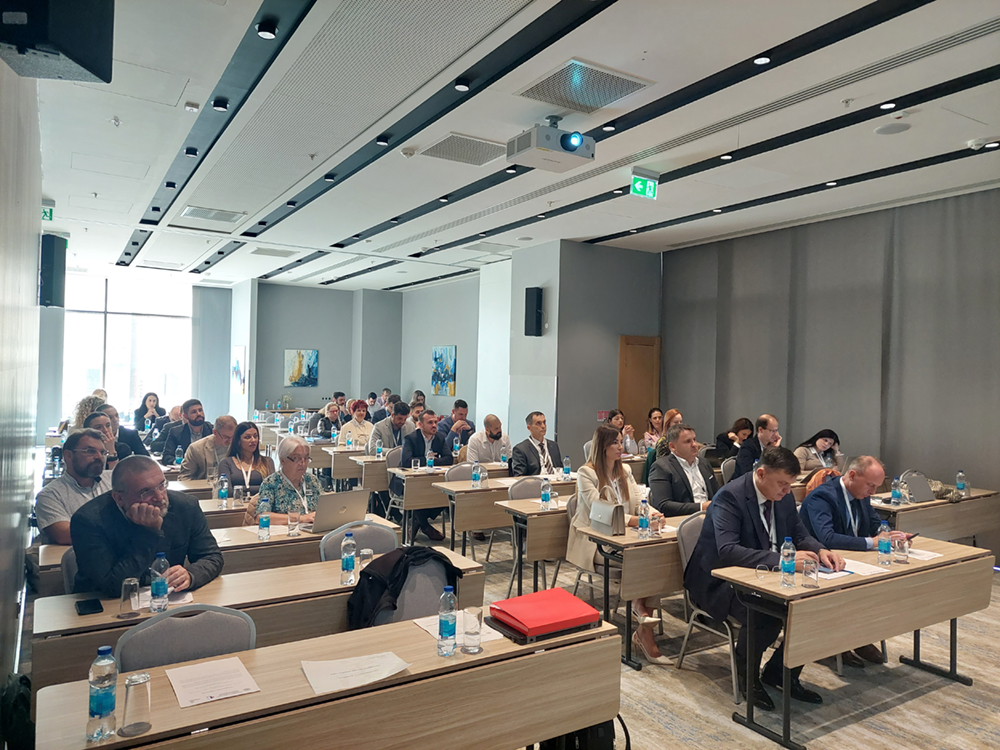
An international conference titled "Tobacco Control for a Tobacco-Free Society: Intersections of Tobacco Taxation Policies and Public Health" was held on October 24 and 25, 2023, at the Courtyard by Marriott Hotel in Banja Luka. The conference was organized by the Faculty of Economics, University of Banja Luka, as part of the project "Accelerating Progress in Tobacco and Tobacco Products Taxation in Low and Middle-Income Countries," with financial support from the Bloomberg Foundation (USA) through the University of Illinois at Chicago as the umbrella organization.
The conference brought together 44 participants, primarily experts in the field of research on the socioeconomic and other impacts of tobacco taxation as one of the most important measures of tobacco control, as well as policy-makers and activists in this field from various countries, including Austria, Albania, Bosnia and Herzegovina, Bulgaria, Montenegro, Romania, the United States, North Macedonia, Slovakia, and Serbia. The aim of the conference was to present the results of current research and to encourage dialogue and exchange of experiences between researchers, policy-makers, decision-makers, and activists in the field of tobacco control. In this regard, this event represented a platform for exchanging knowledge and experiences among different actors, which will result in improved cooperation and contribute to the creation and implementation of more effective tobacco control policies.
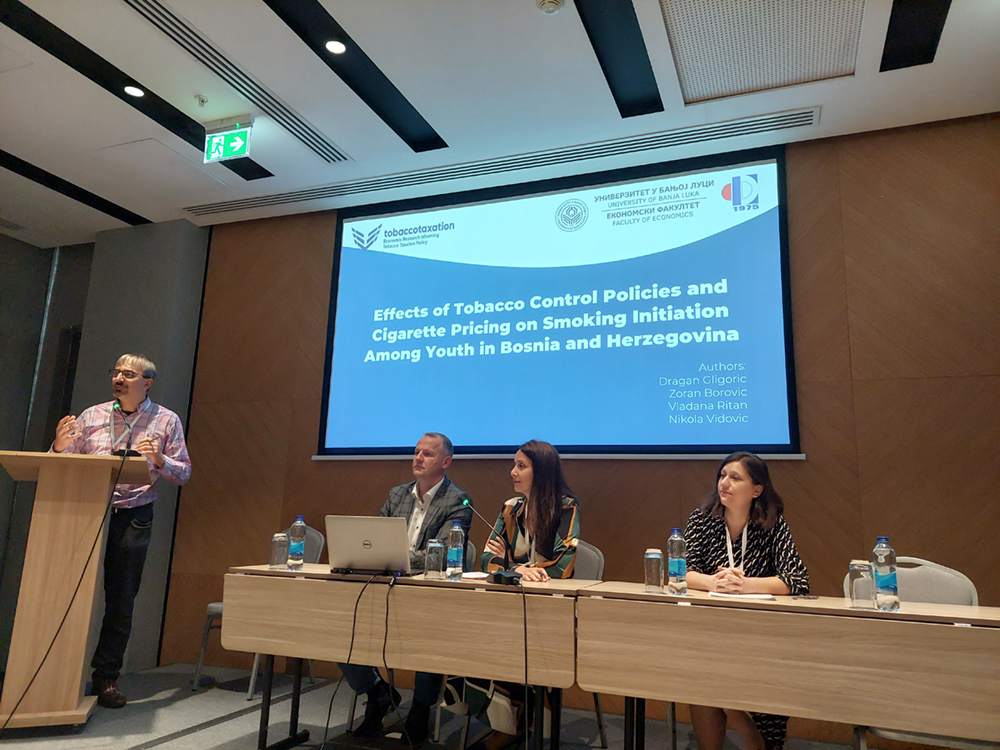
The conference was opened with introductory speeches by the Dean of the Faculty of Economics, Professor Milenko Krajišnik, Ph.D., as well as the Director of the Indirect Taxation Authority of Bosnia and Herzegovina, Mr. Zoran Tegeltija, and the representative of the World Health Organization in Bosnia and Herzegovina, Lejla Beglerović on behalf of Ervin Korman, the head of the mission in B&H. After that, Mr. Jeffrey Drope from the University of Illinois at Chicago presented the efforts of global research teams to contribute to accelerating progress in tobacco taxation through quality research and recommendations. During the two days of the conference, research results from the aforementioned countries were presented, focusing on the area of modeling the impact of tobacco taxation on public revenues and public health, and its effect on reducing the prevalence of smoking, especially among the youth population, as well as the legal and institutional framework necessary for more adequate tobacco control policies, including taxation. Researchers from the Faculty of Economics, University of Banja Luka, Professor Dragan Gligorić, Ph.D. , and Associate Professor Zoran Borović, Ph.D., presented the results of two research studies, one focusing on modeling the impact of increased excise taxes on tobacco on public revenues and public health, and the other on the effects of tobacco control policies and tobacco prices on the initiation of smoking among young people in Bosnia and Herzegovina.
Published 26.10.2023 at 11:19